
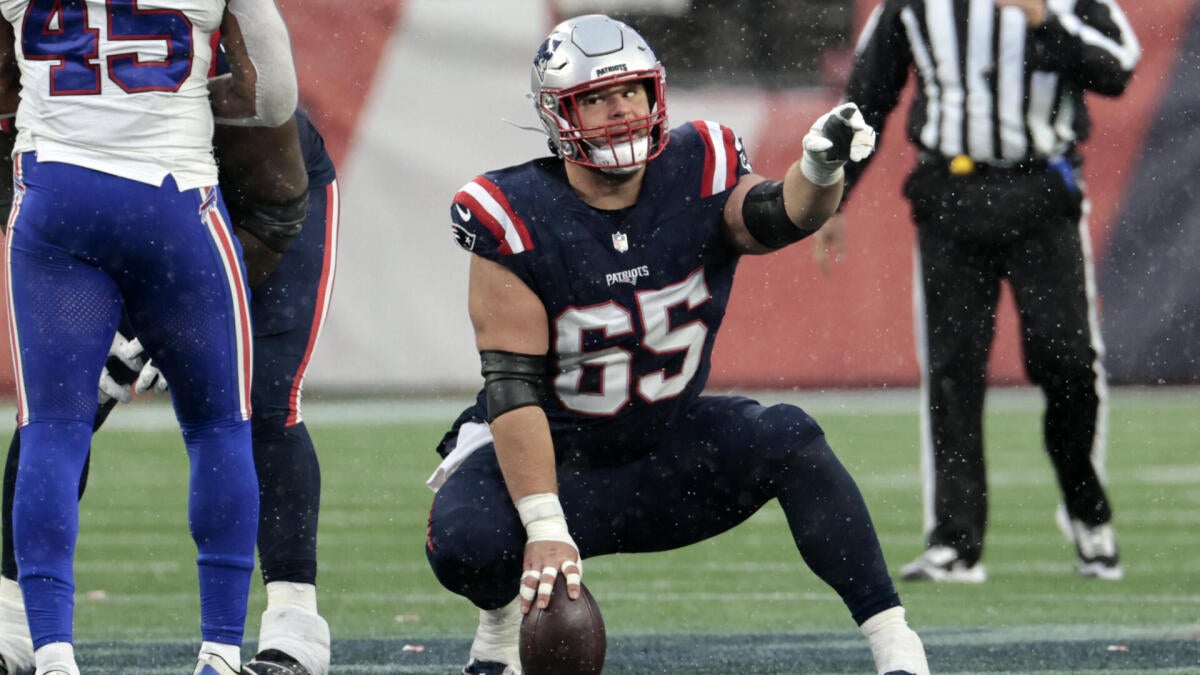
The Chicago Bears' acquisition of center Garrett Bradbury from the New England Patriots for a 2027 fifth-round pick reveals deeper systemic issues within professional sports labor markets that extend far beyond the gridiron.
When Workers Hold the Cards
Just three days after Pro Bowl center Drew Dalman's shocking early retirement left the Bears scrambling, the organization moved swiftly to secure his replacement. This rapid-fire sequence illustrates a fascinating power dynamic: a worker exercising ultimate agency over their career trajectory, forcing a multi-billion dollar enterprise to adapt.
Dalman's decision to retire after just one year of a three-year, $42 million contract represents something rarely seen in traditional labor markets. The ability to walk away from guaranteed money speaks to the unique leverage that elite athletes possess, a privilege unavailable to most American workers facing exploitative employment conditions.
The Human Cost of Corporate Restructuring
The Bears' offseason moves paint a stark picture of modern corporate priorities. Trading wide receiver DJ Moore to the Bills and releasing linebacker Tremaine Edmunds were described as necessary steps for "salary-cap compliance." This sanitized language masks the human reality of workers being treated as expendable assets in service of financial optimization.
These transactions reflect broader economic trends where worker stability is sacrificed for organizational flexibility. While NFL players enjoy union protections and guaranteed contracts unavailable to most Americans, the fundamental dynamic remains the same: workers as commodities to be moved at management's discretion.
Systemic Inequality in Performance Evaluation
The analysis of Bradbury's performance metrics reveals troubling disparities in how value is assessed. Pro Football Focus ranked Dalman as the seventh-best center while placing Bradbury at 29th, yet both players commanded similar market positions. This disconnect between measurable performance and compensation echoes wage gaps found across industries, where factors beyond merit often determine economic outcomes.
Bradbury, now 30, spent six seasons with the Vikings before joining New England's spending spree last offseason. His journey from first-round draft pick to journeyman center reflects the precarious nature of professional athletics, where careers can pivot dramatically based on organizational needs rather than individual achievement.
The Promise and Peril of Institutional Change
Bears coach Ben Johnson's reputation for maximizing offensive line performance offers hope that institutional leadership can elevate individual outcomes. His success with both Detroit and Chicago suggests that progressive management approaches can create environments where workers thrive regardless of their previous circumstances.
This optimistic view must be tempered by recognition that such leadership remains exceptional rather than systemic. The NFL's structure still prioritizes profit over people, with players' careers subject to the whims of ownership groups and front office executives.
Looking Forward
As the Patriots prepare to spend over $35 million in free agency to address their offensive line needs, the cycle continues. New England's quick pivot from Bradbury to seeking his replacement demonstrates organizational resilience, but also highlights how easily workers become expendable when business priorities shift.
The Bradbury trade ultimately serves as a microcosm of American labor relations: workers with specialized skills navigating systems designed to extract maximum value while minimizing long-term commitment. Until we address these fundamental power imbalances, stories like this will continue to repeat across industries, with human dignity subordinated to financial optimization.