
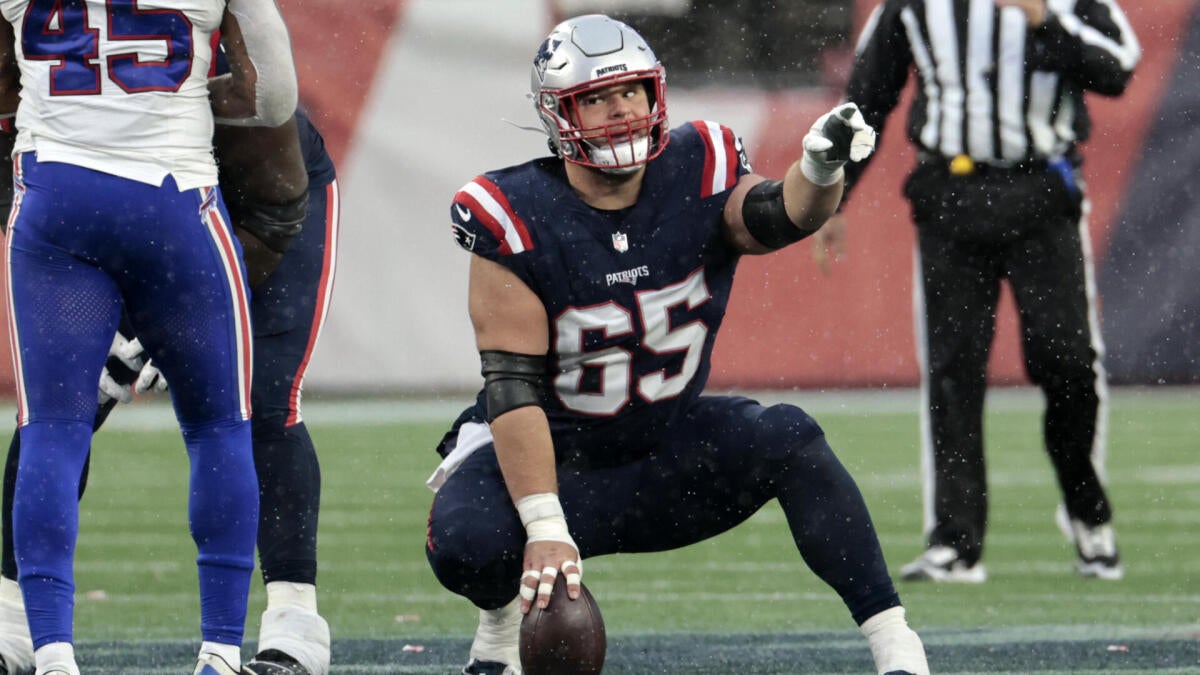
The Chicago Bears' acquisition of center Garrett Bradbury from the New England Patriots for a 2027 fifth-round pick tells a story that extends far beyond football strategy. It's a window into how professional sports organizations navigate worker rights, economic pressures, and the human cost of athletic careers.
When Retirement Becomes Disruption
The trade emerged from necessity after Pro Bowl center Drew Dalman's sudden retirement, just one year into a three-year, $42 million contract. Dalman's decision to prioritize his long-term health over financial obligations represents a growing trend of athletes asserting control over their careers and well-being.
This shift challenges traditional power structures in professional sports, where organizations historically held most leverage over player decisions. When athletes choose their health over contractual obligations, it forces teams to adapt quickly, often at significant cost.
The Economics of Athletic Labor
Bradbury, 30, spent six seasons with Minnesota before joining New England's championship run to Super Bowl 60. His journey from first-round draft pick to trade commodity illustrates the precarious nature of athletic careers, where performance metrics determine value and job security remains elusive.
The Bears' salary cap constraints, forcing them to trade DJ Moore and release Tremaine Edmunds, highlight how financial limitations impact roster construction and worker retention. These decisions affect not just players but entire communities invested in team success.
Systemic Pressures in Professional Sports
Chicago's offensive line overhaul under coach Ben Johnson demonstrates how organizational success often depends on significant personnel changes. While Johnson's system has proven effective at maximizing player potential, it also raises questions about sustainable career paths for athletes.
Bradbury's performance statistics reveal the harsh reality of professional evaluation. Ranked 29th among centers by Pro Football Focus compared to Dalman's seventh-place ranking, his acquisition represents a calculated risk based on system fit rather than individual excellence.
Looking Beyond the Transaction
The Patriots' willingness to trade Bradbury for a fifth-round pick reflects their confidence in developing internal talent. Moving Jared Wilson from left guard to center exemplifies how organizations adapt to personnel changes while maintaining competitive standards.
This trade ultimately represents more than roster management. It reflects broader conversations about worker agency, organizational adaptation, and the balance between individual well-being and collective success in high-pressure professional environments.
As professional sports continue evolving, transactions like this one serve as case studies for how institutions can better support worker rights while maintaining competitive integrity. The real measure of success won't just be wins and losses, but how well organizations adapt to changing expectations around career autonomy and worker well-being.