
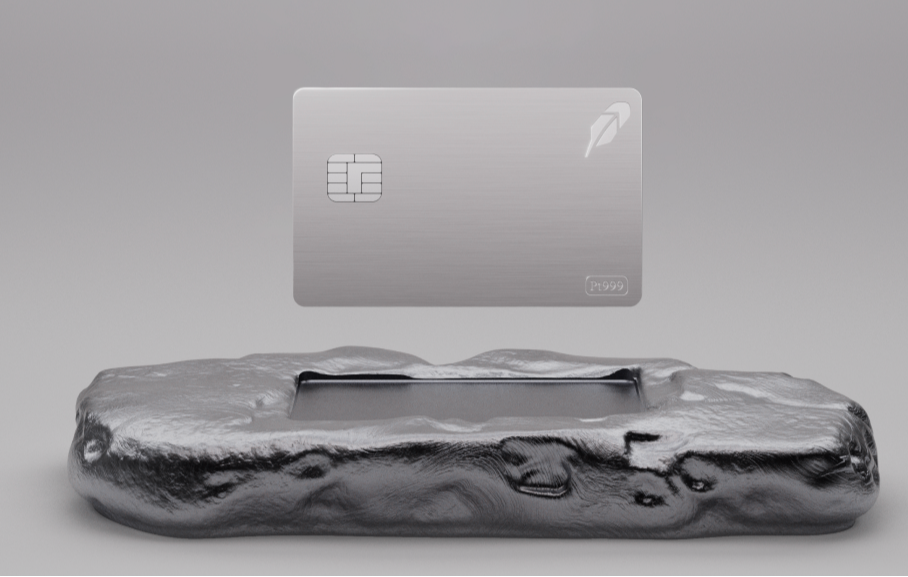
In a move that raises questions about financial accessibility and democratic investing principles, Robinhood has unveiled its Platinum Card with a steep $695 annual fee, positioning itself squarely in the luxury credit card market that traditionally serves the wealthy elite.
The Paradox of "Democratizing" Finance
Robinhood built its brand on democratizing finance for everyday Americans. Yet this invite-only premium card creates a clear hierarchy among users, contradicting the platform's populist messaging. The company announced the card at its "Take Flight" event alongside other updates including family investing features and enhanced Gold member perks.
"The Platinum Card offers higher limits, elite rewards and luxury benefits, and raises the bar for what customers should expect from a premium credit card," said Deepak Rao, GM and vice president of Robinhood Money. But this raises uncomfortable questions about who gets to access these elevated benefits.
What $695 Actually Gets You
The card offers substantial rewards in select categories, with enhanced rates for dining and travel purchases. Cardholders must maintain a Robinhood account to redeem cash back, further tying users into the platform's ecosystem.
Annual benefits include airport lounge access, DoorDash credits, health and wellness memberships, and autonomous ride credits. Robinhood values these perks at over $3,000, though the actual value depends entirely on individual usage patterns.
The Accessibility Problem
This premium offering starkly contrasts with Robinhood's existing Gold Card, which charges just $50 annually for Gold membership and offers a flat 3% cash back rate. The Platinum Card's invite-only structure creates an exclusive tier that contradicts principles of financial inclusion.
Both cards remain difficult to obtain, with the Gold Card still operating on a waitlist system despite having over 600,000 cardholders. This scarcity model seems designed to generate buzz rather than serve broad customer needs.
Market Context and Competition
The $695 fee places Robinhood's card among the most expensive premium offerings available. Competitors like Chase Sapphire Reserve ($795) and American Express Platinum ($895) offer similar benefits, suggesting Robinhood is following rather than innovating in this space.
The Capital One Venture X at $395 annually provides comparable travel benefits at a more accessible price point, highlighting how Robinhood's positioning may alienate cost-conscious consumers who initially embraced the platform.
A Question of Values
For a company that gained prominence by eliminating trading fees and challenging Wall Street elitism, launching a luxury credit card with platinum plating feels tone-deaf. It suggests Robinhood is more interested in capturing high-value customers than maintaining its democratic ideals.
The card may deliver value for frequent travelers who can maximize its benefits, but it represents a concerning shift toward the very exclusivity Robinhood once opposed. As income inequality continues to widen, financial services companies should be expanding access, not creating new barriers.
Whether this premium pivot helps or hurts Robinhood's brand will depend on how users reconcile the company's populist origins with its increasingly elitist offerings.