
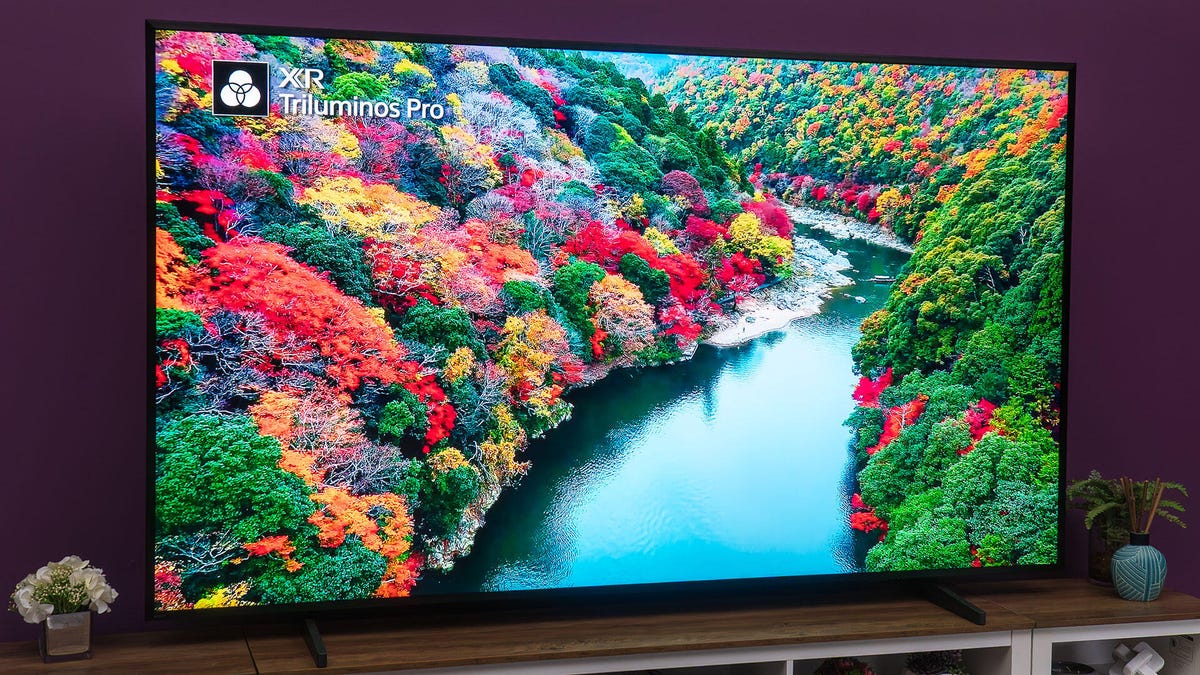
In an era where technology increasingly shapes our daily experiences, even our television viewing deserves a democratic approach to optimization. Sony Bravia TVs offer sophisticated picture customization options, but navigating these settings shouldn't require a tech degree.
For consumers seeking equitable access to quality entertainment technology, three key adjustments can transform your viewing experience without diving into complex technical specifications.
Auto Picture Mode: Technology Serving Users
The Auto Picture Mode represents what technology should do: adapt to our needs rather than forcing us to adapt to it. This feature automatically detects content type and selects appropriate picture settings, whether you're watching live sports, gaming, or streaming content.
However, this democratic approach to picture optimization has limitations. Users with disabled HDMI-CEC settings or blocking devices may find the feature less effective, highlighting how technological solutions can inadvertently exclude certain user configurations.
Ambient Light Sensors: Accessibility Through Automation
Sony's built-in ambient light sensors exemplify inclusive design by automatically adjusting screen brightness based on room lighting. This feature particularly benefits users who may struggle with manual adjustments or those seeking consistent viewing experiences throughout the day.
Yet the technology isn't without trade-offs. Recent Bravia OLED models prioritize color accuracy over brightness, potentially disadvantaging users in brighter environments compared to competitors like Samsung and LG. This design choice reflects broader questions about whose needs technology prioritizes.
Motion Smoothing: When Technology Overreaches
Perhaps no setting better illustrates technology's potential to harm user experience than motion smoothing. Features like CineMotion and Motionflow artificially increase frame rates, creating an unsettling "soap opera effect" that distorts the filmmaker's original vision.
Disabling these settings respects creative intent while improving viewing quality. This choice represents a small act of media literacy, ensuring we experience content as creators intended rather than through technological interpretation.
The Ongoing Challenge
Even optimal settings require periodic adjustment as firmware updates and security patches alter TV behavior. Users who disable advertising features may face additional complexity, revealing how commercial interests can complicate straightforward user experiences.
For cord-cutters using antenna broadcasts, the challenge intensifies due to compressed over-the-air signals, demonstrating how infrastructure limitations affect media access across different economic circumstances.
These technical considerations ultimately reflect broader questions about technology's role in our lives: Should devices adapt to us, or should we constantly adjust to them? Sony's Bravia TVs, like much modern technology, offer both empowering automation and the burden of endless customization.