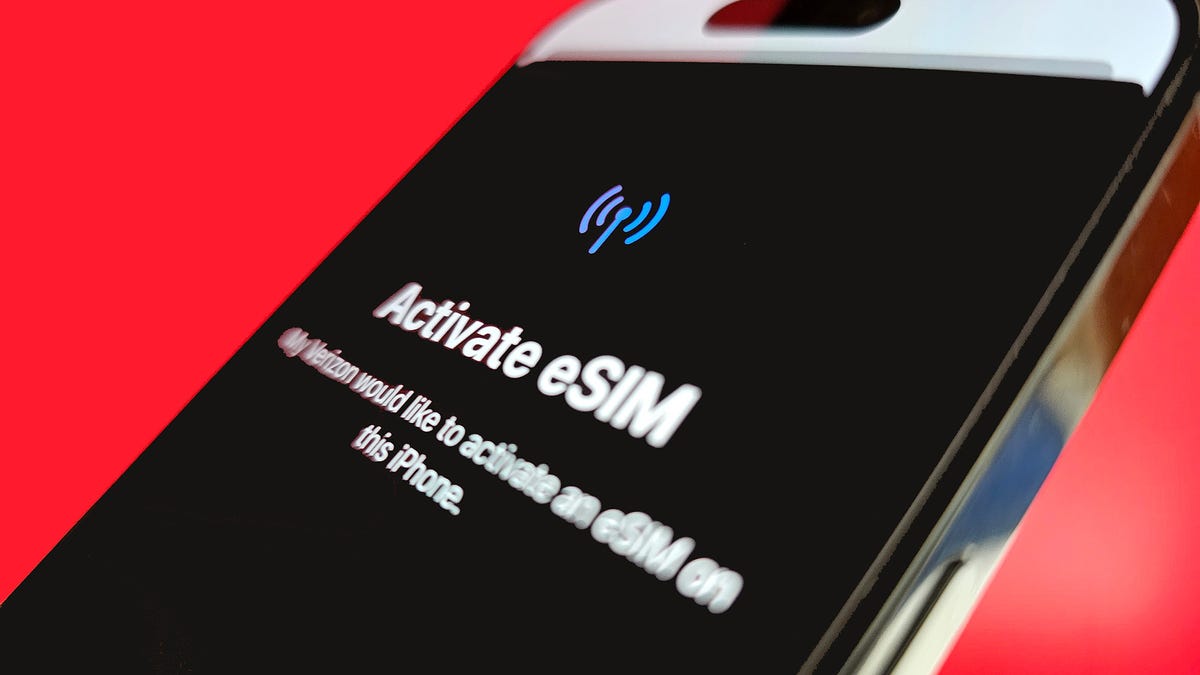
When over 2 million Americans suddenly lost cellular service on Wednesday, it wasn't just about dropped calls or delayed texts. Verizon's nationwide outage revealed something far more concerning: how fragile our digital infrastructure really is, and who bears the cost when corporate systems fail.
The Human Cost of Corporate Failures
The outage, which Verizon classified as having "Very High" impact, hit major cities from New York to Houston. But beyond the technical jargon lies a troubling reality: families couldn't access concert tickets stored on their phones, workers lost productivity, and countless Americans found themselves digitally stranded.
One user's experience perfectly captures the anxiety these outages create: they thought they'd forgotten to pay their bill and been cut off. This reaction speaks to deeper issues about how telecommunications companies communicate with customers and the stress of managing increasingly expensive phone plans.
When Phones Display SOS: A Sign of Systemic Weakness
iPhone users affected by the outage saw their devices switch to "SOS" mode, displaying satellite connectivity options. While Apple confirms this won't result in charges or emergency calls, the feature highlights our over-reliance on private cellular networks for basic communication needs.
This dependency becomes particularly problematic when considering that Verizon has been aggressively pushing costly 5G plans while apparently struggling to maintain basic service reliability. The disconnect between marketing promises and infrastructure reality deserves scrutiny.
Corporate Accountability in the Digital Age
Verizon's response has been typically corporate: acknowledging the problem while providing minimal information about resolution timelines or compensation. A customer service representative suggested potential "adjustments" based on outage duration, but this vague promise falls short of meaningful accountability.
Meanwhile, Krispy Kreme's tongue-in-cheek "free donut" campaign in response to the outage highlights how other businesses recognize the real impact on people's daily lives, something Verizon itself seems slow to acknowledge.
Infrastructure as a Public Good
This outage raises fundamental questions about treating essential communication services as purely private commodities. When millions lose connectivity simultaneously, it affects emergency services, economic activity, and social connections in ways that transcend individual consumer relationships.
The incident underscores arguments for treating telecommunications infrastructure more like public utilities, with stronger oversight, reliability standards, and automatic compensation mechanisms when service fails.
Moving Forward: Demanding Better
As customers track service restoration through Verizon's network status page, they shouldn't just accept "technical difficulties" as inevitable. This outage represents a failure of corporate responsibility and regulatory oversight that affects millions of lives.
Citizens deserve transparent communication about infrastructure investments, service reliability standards, and fair compensation when companies fail to deliver promised services. The next time your phone shows "SOS," remember: it's not just a technical glitch, it's a symptom of systemic problems that demand systemic solutions.