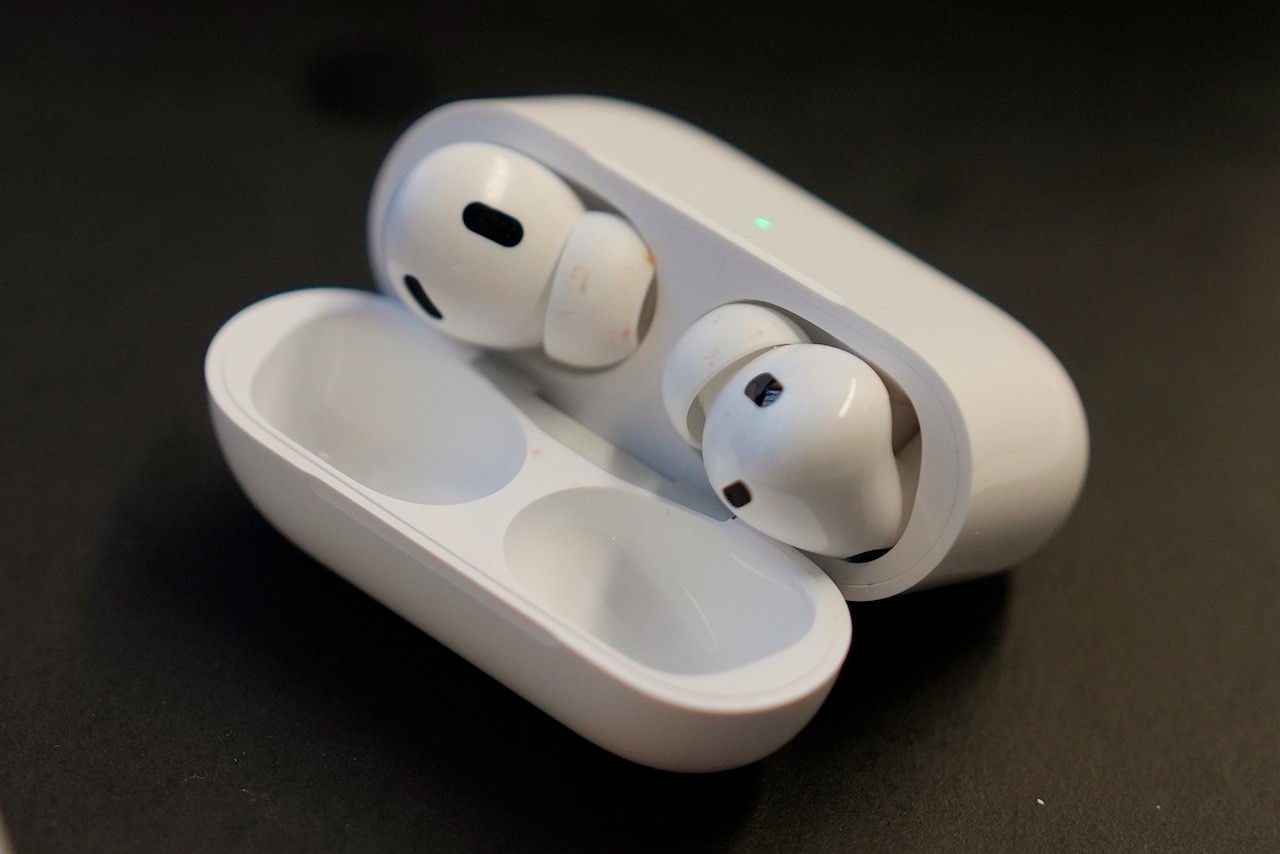
More people are sleeping with earbuds in, and keeping them in for extended periods during the day. This habit could be increasing your risk of infection and hearing damage, according to a leading ear specialist at Henry Ford Health.
Dr. Kristen Angster, an ear, nose and throat specialist, has noticed a troubling trend. As in-ear devices have become more popular, she is seeing more patients with increased wax buildup and external ear infections from wearing them 24-7.
Your ears are designed to clean themselves. The ear canal naturally migrates wax out over time. But if an earbud is in all the time, it never gets that chance. Angster does not advise wearing earbuds overnight. During the day, she recommends taking them out for at least 15 minutes every two hours.
Prolonged usage can trap moisture in the ear canal. This causes naturally occurring bacteria and fungus to grow out of control and can lead to infection. The risk is especially high if you shower before bed and then put earbuds in, trapping excess moisture.
Earbuds may also push wax back down into the ear drum. An earwax blockage can cause hearing loss, ringing in the ears, itchiness, discomfort, and a feeling of pressure in the ear. Infections can be uncomfortable and may cause temporary hearing loss. They often clear on their own but can be more problematic for people who are immunocompromised or have other health challenges, including diabetes.
What Are the Signs of Hearing Damage?
Health officials recommend contacting your medical provider if you experience difficulty hearing, ear pain, fluid drainage from one or both ears, or sudden hearing loss or dizziness. Signs of hearing loss also include ringing or buzzing in the ear, problems hearing high-pitched sounds like doorbells or alarm clocks, and difficulty following conversations over the phone or in noisy environments.
Beyond extended use of earbuds, Angster sees patients with hearing loss caused by listening to audio at high volume. She suggests limiting audio to 80 decibels, an option available on most phones, to reduce the risk of permanent hearing loss.
The numbers are sobering. About 1.1 billion young people are at risk of hearing loss due to prolonged exposure to loud sounds, according to the World Health Organization. One in four teens and adults aged 12 to 35 living in middle- and high-income countries are exposed to unsafe levels of sound from personal audio devices.
What Are Safer Alternatives to In-Ear Earbuds?
Angster said over-the-ear headphones can be a safer alternative, as can open-ear earbuds and bone conduction headphones. If you do prefer AirPods for one reason or another, she suggests setting a reminder on your phone to give your ears a break every once in a while.
For sleepers who insist on falling asleep to audio or who depend on in-ear audio for a wake-up alarm, she recommended considering an under-the-pillow speaker or an alarm clock that turns on a light at a set time.
How Can You Improve Your Ear Health?
Other ways to improve ear health include draining any water trapped in your ears after swimming and bathing, avoiding using a Q-tip to clean the ear canal, eliminating smoking, and wearing musician-style earplugs in high volume settings like concerts.
Your ears are remarkable self-cleaning machines. Giving them a break is one of the simplest things you can do to protect your hearing for the long haul.