Creator Economy Meets Cinema: When YouTubers Take Control of Their Own Narratives
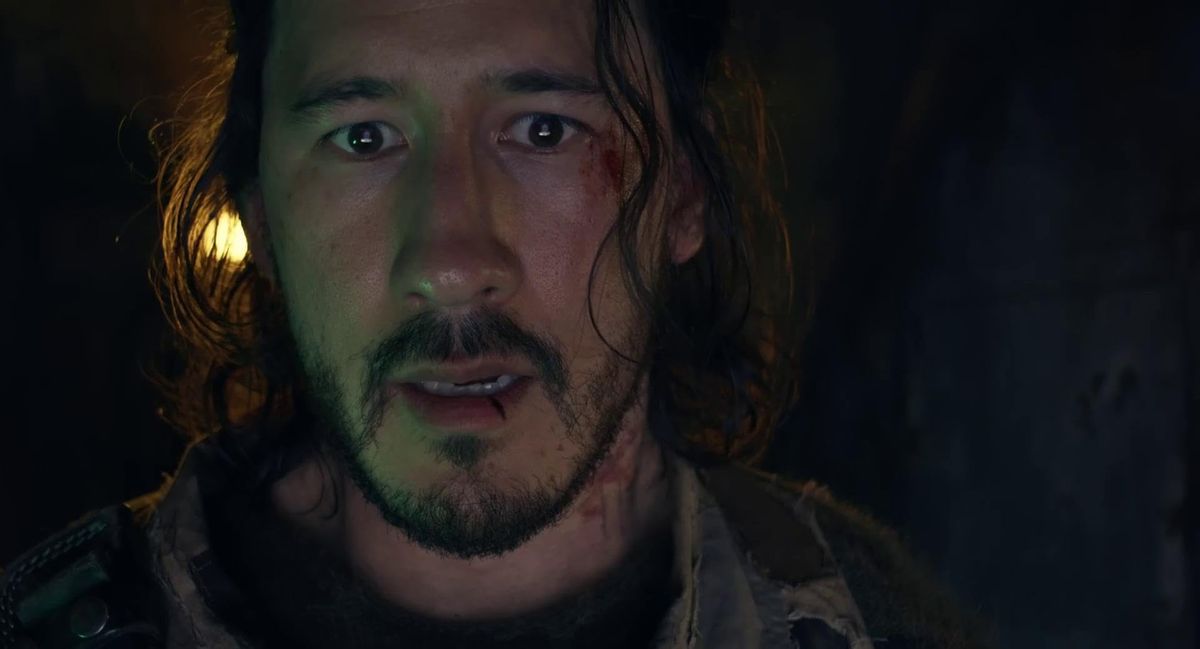
In an era where streaming platforms and major studios dominate entertainment, a fascinating experiment in creative autonomy has emerged. YouTuber Markiplier (Mark Fischbach) has produced, directed, starred in, and distributed his own adaptation of indie horror game Iron Lung, challenging traditional models of content creation and distribution.
The Democratic Potential of Creator-Driven Content
This project represents more than just another video game adaptation. It signals a shift toward creator independence that could reshape how we think about media ownership and artistic control. When content creators bypass traditional gatekeepers, they retain not just creative freedom but also economic power over their work.
The original Iron Lung game offers a minimalist horror experience: players navigate a windowless submarine through an alien ocean of blood, using simple controls to photograph mysterious depths. Markiplier's 45-minute YouTube playthrough captured the game's essence through authentic reactions and genuine engagement with the material.
Expanding Beyond Platform Constraints
The film adaptation attempts something more ambitious, expanding the submarine's design and adding character backstory that wasn't present in the original game. While the first hour successfully builds tension through deliberate pacing and faithful recreation of the game's claustrophobic atmosphere, the project reveals both the possibilities and limitations of creator-driven cinema.
The movie's later sections become overwhelmed by excessive sound effects and visual chaos, abandoning the minimalist approach that made the source material effective. This highlights a crucial challenge: how do independent creators balance artistic vision with audience expectations shaped by mainstream entertainment?
Implications for Media Democracy
What makes this experiment significant isn't just its quality, but what it represents for creative independence. In an industry increasingly dominated by corporate consolidation and risk-averse decision-making, creators taking full control of their projects offers a glimpse of more democratic media production.
The project also raises questions about value and accessibility. While the original game costs just four dollars and provides a complete experience, the film requires significantly more time and resources to consume. This disparity highlights ongoing debates about how we value different forms of creative expression.
The Future of Creator Independence
Markiplier's Iron Lung represents a growing trend of creators refusing to wait for traditional industry approval. Whether through crowdfunding, direct distribution, or platform monetization, artists are finding ways to maintain control over their work while building direct relationships with their audiences.
This model offers particular promise for underrepresented voices who might struggle to find support within traditional industry structures. When creators can bypass gatekeepers, they can tell stories that might otherwise never reach audiences.
The experiment succeeds not because the film surpasses the original game, but because it demonstrates the viability of creator-controlled production. In a media landscape often criticized for homogenization and corporate influence, such independence represents a vital form of cultural resistance.