
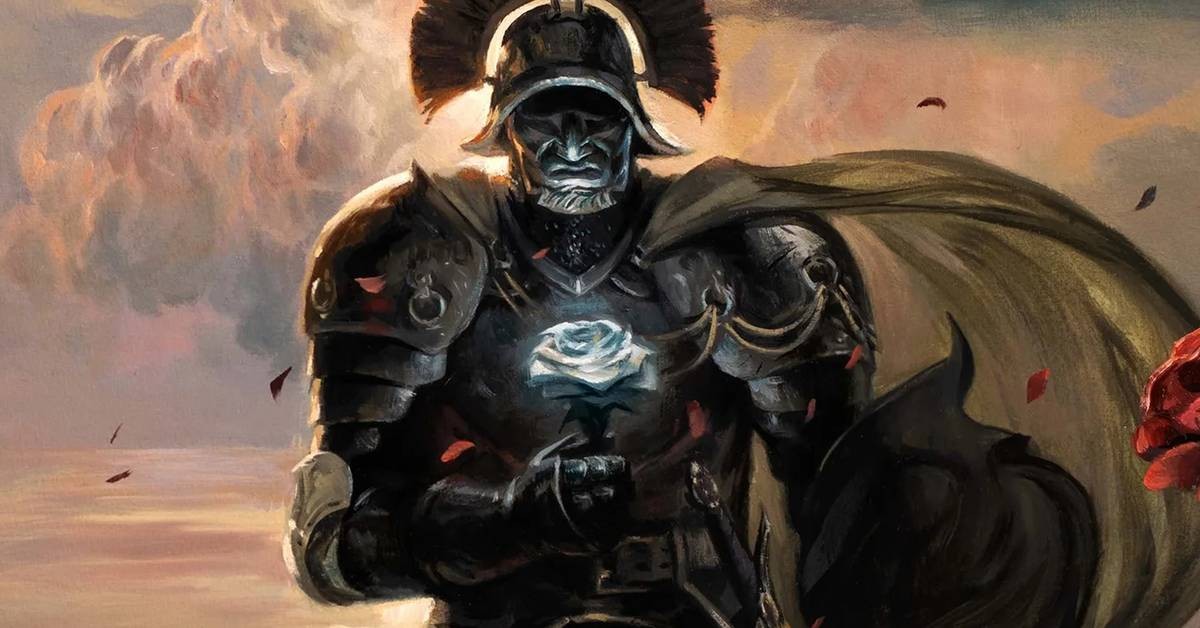
Dark fantasy has evolved far beyond simple tales of good versus evil. These books use bleak magical worlds to explore survival, power, and moral ambiguity, offering readers a mirror to our own societal struggles. From crumbling castles to brutal war zones, these ten works challenge traditional fantasy conventions and ask hard questions about who we become when hope runs thin.
Why Dark Fantasy Speaks to Modern Readers
Dark fantasy blends the magical with the macabre, drawing from gothic fiction to create worlds heavy with atmosphere and dread. Unlike pure horror, it does not aim to terrify. Instead, it uses hostile settings to examine how people survive, wield power, and navigate moral gray zones. In these stories, heroes are rarely noble. They are flawed, morally complex figures who make difficult choices in impossible circumstances.
This sub-genre often subverts the traditions of high fantasy, like Tolkien's Middle-earth. It blurs the lines between good and evil, showing that in worlds on the brink of ruin, survival often trumps epic heroism. For readers, this feels more honest and more relevant to our own complex world.
Gormenghast: A Foundational Pillar of Dark Fantasy
Mervyn Peake's Gormenghast Trilogy, published between 1946 and 1959, is a foundational work of modern gothic fiction. It chronicles the life of Titus Groan and the vast, decaying castle he is born to rule. The castle itself becomes a living, suffocating entity, and Peake's poetic language paints strikingly dark imagery.
By subverting traditional high-fantasy quests, Gormenghast defined the genre with its haunting atmosphere and eccentric characters. Its blend of psychological claustrophobia and decaying feudal world-building became the blueprint for what we now call grimdark fantasy.
The Dark Tower: Merging Genres and Redefining Epic Fantasy
Stephen King's The Dark Tower series begins with The Gunslinger, a genre-blending epic that mixes spaghetti westerns, fantasy, science fiction, and post-apocalyptic horror. Centered on Roland Deschain, a morally gray antihero, the series follows his obsessive quest to find the Dark Tower, the nexus of the multiverse.
King proves that modern grimdark tropes, metafictional narratives, and cross-genre chaos can form the foundation of an epic dark fantasy. With bleak themes of sacrifice and destiny, The Dark Tower is a monumental cornerstone of the genre.
Between Two Fires: Faith and Horror During the Black Death
Christopher Buehlman's 2012 novel Between Two Fires is a modern masterpiece of dark fantasy and historical horror. Set in 1348 during the Black Death, it follows a disgraced knight escorting a mysterious orphan girl across France as heaven and hell wage war on earth.
The novel examines faith, redemption, and the cosmic battle between good and evil. Buehlman's authentic medieval world and haunting atmosphere of apocalyptic despair make this a unique and emotionally weighty read.
The Poppy War: A Brutal Look at War and Colonialism
R.F. Kuang's 2018 debut The Poppy War is a landmark dark fantasy inspired by mid-20th-century Asian history. The trilogy follows Rin, a war orphan who enters an elite military academy to escape an arranged marriage. As she rises, she undergoes a visceral fall from grace, driven by a victory-at-any-cost mentality.
Kuang refuses to sanitize the horrors of war, trauma, and colonialism. The result is a harrowing, uncompromising depiction of conflict and its psychological toll, featuring a morally gray female protagonist who challenges traditional heroic arcs.
Elric of Melniboné: Subverting Sword-and-Sorcery
Michael Moorcock's Elric of Melniboné introduced readers to a frail, albino antihero who depends on drugs and dark magic. His sentient runeblade, Stormbringer, grants immense power while slowly corrupting him. This set a new benchmark for cursed weapons and influenced countless fantasy tropes and tabletop RPGs.
Moorcock brought moral ambiguity, cosmic nihilism, and dark empires to the genre long before modern grimdark became popular. These fast-paced reads remain essential for fans of dark fantasy.
The Lies of Locke Lamora: A Heist in a Gritty World
Scott Lynch's The Lies of Locke Lamora is often called a perfect fantasy novel. Instead of an epic quest, it follows a band of con artists known as the Gentleman Bastards as they pull off elaborate heists in the Venice-inspired city of Camorr.
Subverting the Robin Hood archetype, they rob the ultra-rich while navigating a brutal underworld. The deep bond between Locke and his friend Jean Tannen provides heart and humor, balancing the violence and cruelty that lurk beneath the surface.
The Black Company: Setting Grimdark Standards
Glenn Cook's The Black Company is widely considered the grandfather of modern grimdark fantasy. Published in 1984, it follows an elite mercenary unit serving a dark sorceress. The narrative, recorded by the company's physician, feels like a frontline military journal.
Cook offers a stark, unromanticized look at war and the blurry boundaries between good and evil. Its cynicism and grounded perspective continue to inspire generations of authors.
The Blade Itself: A Contemporary Masterpiece
Joe Abercrombie's The First Law trilogy, beginning with The Blade Itself, is the definitive modern grimdark classic. It follows three deeply flawed antiheroes: a brutal barbarian, an arrogant nobleman, and a soldier-turned-torturer. Their epic quest to retrieve an ancient artifact tears down high-fantasy conventions.
Abercrombie explores the cyclical nature of conflict and the illusion of personal growth. His sharp wit balances the bloody violence, creating a character-driven masterpiece that replaces clear-cut good-versus-evil with a cynical, realistic exploration of power.
Prince of Thorns: The Polarizing Pinnacle
Mark Lawrence's Prince of Thorns, released in 2011, follows Jorg Ancrath, a brilliant and ruthless 13-year-old prince who leads a band of outlaws on a bloody path to power. The novel is deliberately shocking and intensely polarizing.
Lawrence uses a cold, sardonic first-person perspective that puts readers inside the mind of an unrepentant sociopath. With a shocking post-apocalyptic twist, this is a defining work of dark fantasy with lyrical prose and boundary-pushing characterization.
A Song of Ice and Fire: Redefining the Genre for Mainstream Audiences
George R.R. Martin's A Song of Ice and Fire is one of the most influential dark fantasy series ever written. Selling over 100 million copies worldwide, it proved that complex, brutal narratives appeal to mainstream audiences. The series inspired a global television phenomenon and countless gritty fantasy authors.
Through morally ambiguous protagonists and alternating POV chapters, Martin allows readers to enter the biased, vulnerable minds of kings, lords, and outcasts. With its brutal realism and willingness to kill off main characters, A Song of Ice and Fire redefined modern dark fantasy.
What These Books Tell Us About Ourselves
Dark fantasy is more than escapism. It holds a mirror to our own world, showing how power corrupts, how survival changes us, and how morality is rarely black and white. In an era of political polarization and systemic inequality, these stories resonate deeply. They remind us that hope can be scarce, but it is never entirely absent.
For readers seeking narratives that challenge easy answers and embrace complexity, these ten books offer some of the most thought-provoking and emotionally powerful stories in modern literature.
Frequently Asked Questions
What is the difference between dark fantasy and horror?
Dark fantasy uses bleak magical worlds and macabre elements to explore themes like survival and moral ambiguity. Horror aims to terrify the reader. Dark fantasy may include frightening elements, but its focus is on world-building and character depth rather than pure fear.
Why are dark fantasy protagonists often morally gray?
Dark fantasy often subverts traditional heroism. In hostile worlds, characters face impossible choices that blur the lines between good and evil. Morally gray protagonists feel more realistic and allow authors to explore complex themes like power, trauma, and survival.
Is dark fantasy suitable for young adult readers?
Many dark fantasy books contain graphic violence, mature themes, and morally complex characters. While some young adults enjoy these stories, readers should be aware of the content. Books like The Poppy War and Prince of Thorns are particularly intense and may not suit all readers.