
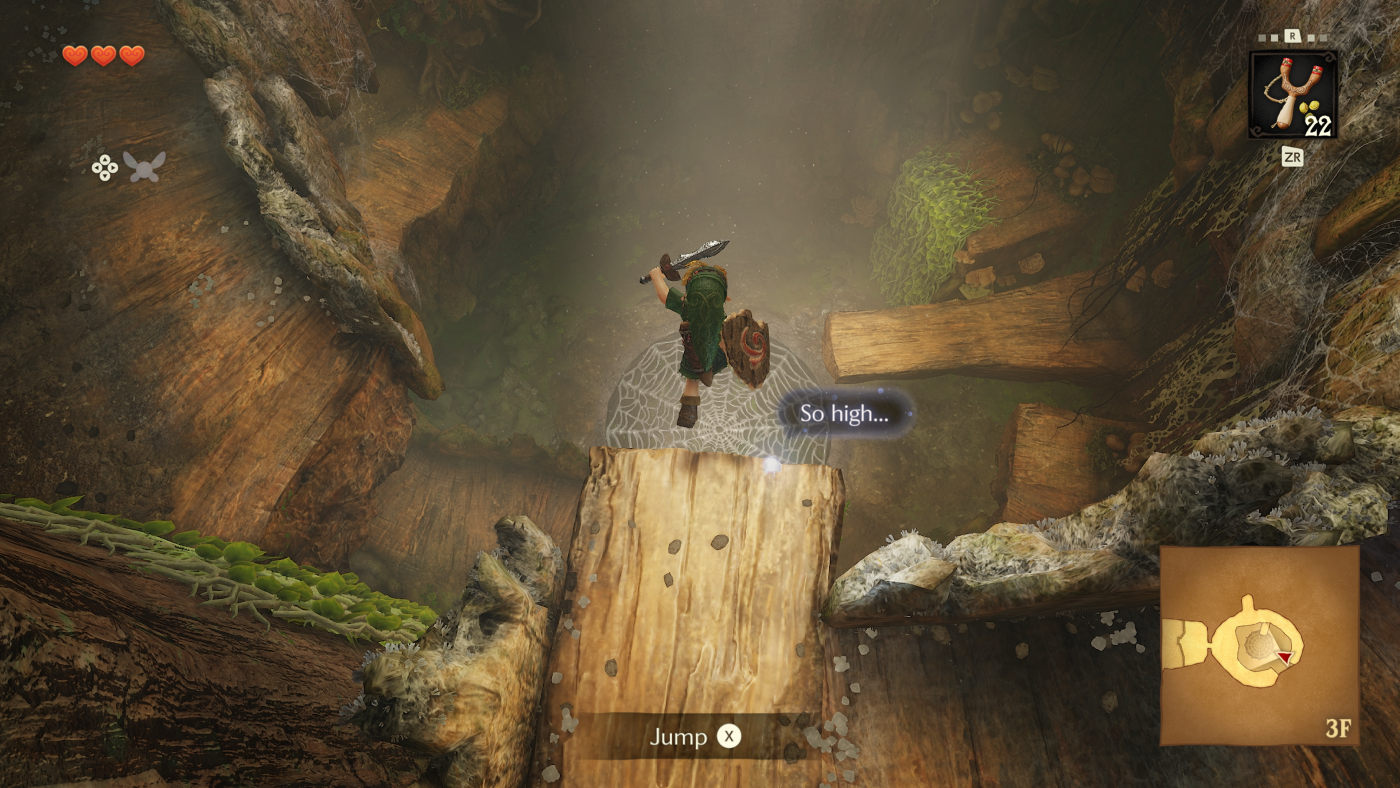
Nintendo will release its lavish remake of The Legend of Zelda: Ocarina of Time on Nov. 5, 2026, for the Nintendo Switch 2, just two weeks before Grand Theft Auto VI lands and barely six months before the Zelda franchise makes its movie theater debut. The company gave reporters a 90-minute hands-on preview in New York City this week, and the early verdict, according to NPR, is that this is the most ornate Zelda game Nintendo has ever built.
The stakes here go beyond one game. Nintendo is steering its most beloved franchise through a rare crossover moment in pop culture, and it is betting that a 28-year-old classic about courage, community and stewardship can hold its own against the biggest entertainment releases of the decade.
What the Ocarina of Time remake actually changes
The original Ocarina of Time, released in the United States on Nov. 23, 1998, pioneered 3D gaming and still ranks among the greatest games ever made, as Zelda Wiki documents. Nintendo has been careful with that legacy. The remake keeps the game's cartoony visual identity but layers it with obsessive detail, from hand-stitched embroidery on Link's tunic to fairies redesigned as furry creatures with mosaic wings.
The mechanical updates are modest. The Switch 2 version adds a user interface reminiscent of 2017's Breath of the Wild, a pause-menu quest log called Threads of Fate, and two movement features the original never had: a manual jump and a sprint. Players who prefer the old control scheme can keep it. According to NPR's preview, the game remains a linear adventure rather than an open world, though the new jump opens the occasional vertical shortcut, such as hopping onto the roof of a forest hut that once required a winding footpath.
Nintendo's official product page also confirms the remake features a reimagined soundtrack and modernised gameplay, a signal that the company treats this as a full rebuild rather than a simple port. KPCW, republishing NPR's hands-on report, notes the game is the only major release daring to share a launch window with Grand Theft Auto VI.
Why Nintendo is remaking Ocarina of Time now
Timing explains almost everything. The Super Mario Movie and its Galaxy sequel made billions for Nintendo's film ambitions, and a live-action Zelda film is scheduled to hit theaters next April. Keeping the franchise warm in players' minds between now and then is the obvious commercial play, and a beloved classic is the safest way to do it.
There is also a strategy shift behind the polish. As NPR observed, Nintendo has poured resources into animation as well as gameplay since 2023's Super Mario Bros. Wonder, and the Ocarina of Time remake is the clearest expression yet of that new priority. Kokiri Forest now glows with dappled light, Hyrule Field uses atmospheric lighting to feel far larger than it is, and Castle Town teems with banners, flowers and citizens.
That richness has a cost. NPR's reporter, a veteran of the original game, got lost in the Forest Temple because the baroque detail made it hard to know where to go next, and a Nintendo representative acknowledged the point. Beauty, in this case, can genuinely overwhelm function.
A wholesome counterprogramming play in a GTA November
The release calendar tells its own story. Nearly every major publisher is fleeing the November window to avoid Grand Theft Auto VI, arguably the most anticipated release in gaming history. Nintendo is walking straight into it with a family-friendly fantasy about a kid who saves a kingdom.
The contrast is stark, and Nintendo seems to know it. Where Rockstar's epic leans on obsessive photorealism and modern-day crime, Ocarina of Time offers green forests, ocarina melodies and a story about a small community standing up to a threatening power. Both will sell enormous numbers. But only one of them is positioned as something a nine-year-old and a grandparent can play together over the holidays, and that positioning is deliberate.
It also fits a broader pattern in which legacy intellectual property is doing heavy cultural lifting. Hollywood's reliance on established franchises is well documented, and as we noted in our coverage of the Baywatch reboot and its Hollywood production bet, studios increasingly treat familiar names as the safest route through an uncertain market. Nintendo is playing the same game across film and games simultaneously.
Does the remake go deeper than the surface?
The honest answer is that nobody outside Nintendo knows yet. A 90-minute preview is enough to confirm that the remake is the prettiest Zelda game ever shipped, and NPR's reporter said exactly that. It is not enough to know whether the deeper experience holds up for players who never felt the original's magic in 1998.
What is clear is the restraint. Nintendo did not tear the game apart to chase open-world trends set by Breath of the Wild and Tears of the Kingdom. It kept the structure, kept the dungeons, kept the linear hero's journey, and spent its energy on craft. In an industry that often mistakes bigness for ambition, there is something quietly principled about a remake that respects what worked and refuses to inflate it.
Old fans will find their memories repainted in extraordinary detail. New players, including the generation that will meet Zelda for the first time in theaters next April, will find a game that still teaches the vocabulary of 3D adventure. Whether the remake's beauty is more than skin deep will be answered on Nov. 5, when the game reaches the public and, two weeks later, the biggest rival in gaming arrives to test it.
Frequently Asked Questions
When does the Ocarina of Time remake come out?
The Legend of Zelda: Ocarina of Time launches on Nov. 5, 2026, exclusively for the Nintendo Switch 2, two weeks before Grand Theft Auto VI.
Is the remake open world like Breath of the Wild?
No. According to NPR's hands-on preview, the game remains a linear adventure, though it adds a manual jump, a sprint and a new quest log called Threads of Fate.
Does the remake change the original's story or dungeons?
The core structure appears intact. Nintendo's changes focus on reimagined visuals, a refreshed soundtrack and modernized controls rather than a narrative overhaul.