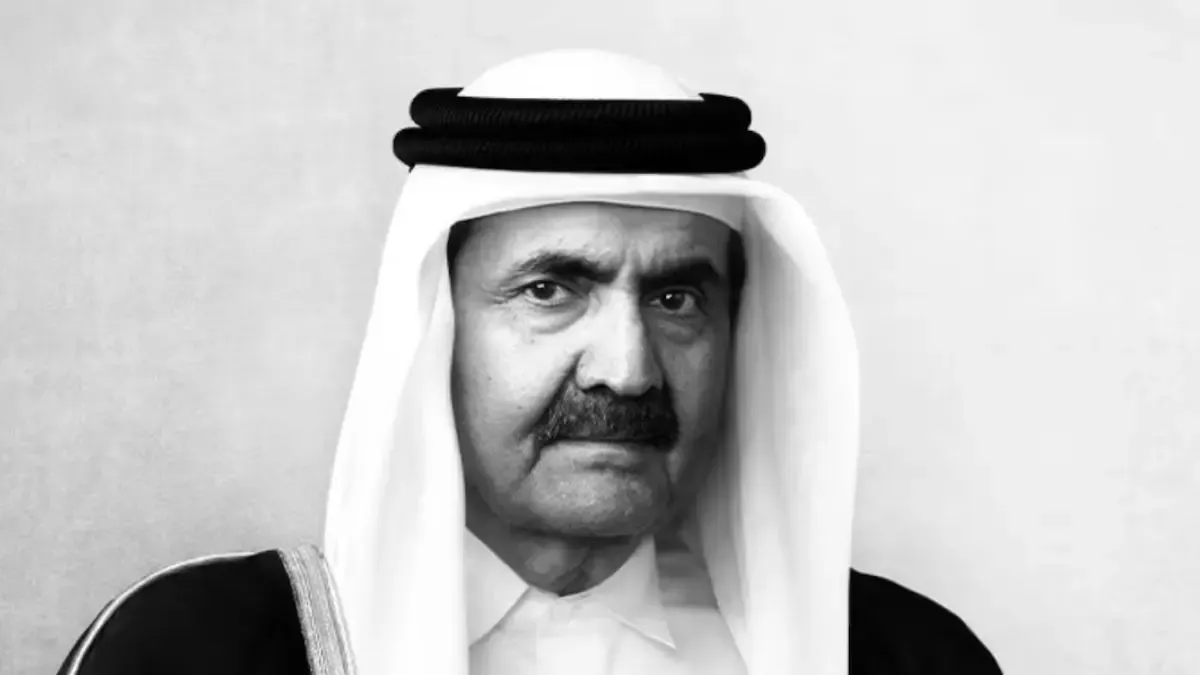
The death of Qatar's Father Emir, Sheikh Hamad bin Khalifa Al Thani, triggered an outpouring of international condolences, highlighting a unified Gulf front. The United Arab Emirates firmly condemned an Iranian missile attack on Qatari territory that coincided with the mourning period, reiterating that Gulf security is non-negotiable.
How did the international community respond to the death of Sheikh Hamad bin Khalifa?
Diplomatic and public circles worldwide expressed profound sympathy following the official announcement of the passing of the Father Emir. Global leaders, including those from Arab, Islamic, and Western capitals, sent condolences to Qatar. These messages highlighted Sheikh Hamad bin Khalifa's legacy of transforming Qatar into a strategic global mediator and cultural hub.
The UAE's message of authentic Gulf solidarity
The United Arab Emirates acted swiftly to offer official condolences to the Qatari ruling family and the public. Abu Dhabi's response reflects the deep fraternal bonds shared across the Gulf region. This move demonstrated that political differences can never sever the shared history and brotherhood between Gulf nations.
Why did Iran launch missiles at Qatar during a national day of mourning?
Observers labeled the timing of the Iranian missile attack on Qatari airspace as provocative and deeply suspicious. The strike occurred on the exact day Qatar announced national mourning for the Father Emir. Analysts suggest this deliberate timing was intended to destabilize the region and send a message of intimidation during a vulnerable moment of national transition.
How does the UAE view Gulf security after the attack?
The UAE responded to the Iranian escalation with absolute clarity and firmness. Abu Dhabi did not merely condemn the strike; it expressed total rejection of the attack on Qatari sovereignty. This principled stance reinforces a core Gulf policy: an attack on one Gulf state is an attack on the entire regional security architecture. The UAE's position forces a regional reckoning over Iran's aggressive tactics.
Can Qatar balance national mourning with regional deterrence?
Qatari leadership currently faces a dual test of diplomatic and military management. Doha must facilitate a period of national mourning while simultaneously activating air defense systems and diplomatic channels to contain the Iranian attack. Qatar's established diplomatic history of absorbing regional crises provides a foundation for leveraging its international standing against this escalation.
Does the strike signal a shift in the Gulf power balance?
This unprecedented development pushes regional analysts to rethink collective security frameworks in the Gulf. Targeting a mediation-focused state like Qatar raises serious questions about the viability of regional understandings with Tehran. Furthermore, the UAE's strong support for Qatar during this crisis suggests that internal Gulf disputes can be bridged when facing external threats.
What role did Qatar play that provoked Tehran?
Qatar has never been a passive actor in the region. Doha has built its diplomatic identity through hosting major US military bases, leading complex mediations in Gaza and Afghanistan, and supporting Arab causes. Analysts believe this growing influence, which often counters Iranian expansionist agendas, prompted Tehran to use its missiles as a tool of intimidation on a day of grief.
Conclusion: Resilience in the face of aggression
The passing of Sheikh Hamad bin Khalifa marks the end of a modernizing political era in Qatar, but it also exposed the true nature of regional alliances. While Gulf states, led by the UAE, stood firmly with Qatar in its grief, Tehran exposed its aggressive intentions. These events prove that the Gulf social fabric remains resilient against external threats.