
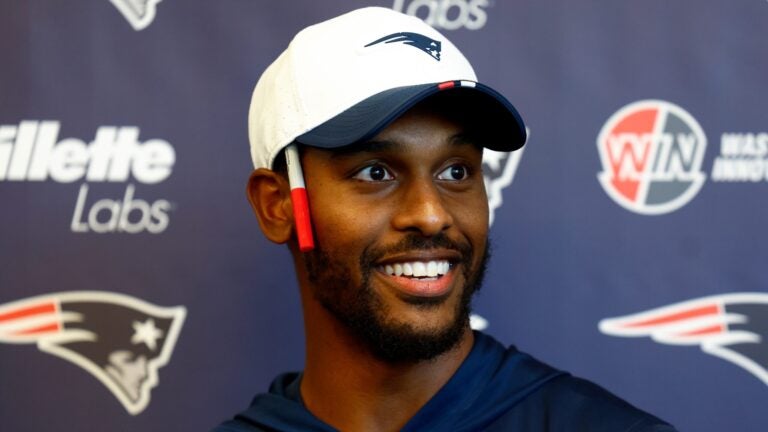
In an era where professional sports often prioritize individual advancement over collective progress, New England Patriots quarterback coach Ashton Grant has made a refreshingly different choice. The young coach has decided to remain with the Patriots rather than pursue offensive coordinator opportunities with other NFL teams, prioritizing continuity and long-term development over immediate career advancement.
Breaking the Cycle of Instability
Grant's decision represents more than just a career choice; it's a commitment to sustainable development in professional sports. Patriots quarterback Drake Maye, now entering his third season, has experienced the kind of coaching carousel that has become all too common in modern NFL culture. Different head coaches, offensive coordinators, and position coaches in each of his first two seasons created an unstable foundation that many young athletes struggle to overcome.
This constant turnover reflects broader issues within professional sports organizations, where short-term thinking often undermines long-term player development and team building. Grant's choice to stay challenges this prevailing culture.
The Power of Mentorship and Continuity
The impact of Grant's mentorship became evident in Maye's remarkable second-year development. The 23-year-old quarterback led the league in completion percentage at 72.0 percent and QBR at 77.1, while throwing for 4,394 yards and 31 touchdowns with just eight interceptions. These statistics tell a story of careful development and trust-building between coach and player.
Maye's own words highlight the importance of this relationship: "Ashton has been awesome with just kind of relaying the connections between the past offense that he was in last year with the Browns that we had last year and just translating it, now using our own terminology and kind of building the foundation for this offense."
A Model for Progressive Sports Leadership
Grant's background as a Manchester, Connecticut native who played at Assumption University before working his way up through the coaching ranks represents the kind of inclusive pathway that progressive sports organizations should embrace. His journey from quality control coach at Holy Cross to his current position demonstrates how diversity programs like the Bill Walsh NFL diversity coaching fellowship can create meaningful opportunities.
Head coach Mike Vrabel's comments about Grant reveal an understanding of modern coaching dynamics: "I think it is a good balance between him and Josh and how long Josh has done it. And maybe the newness and the youngness of Ashton is a nice little balance."
Beyond Individual Success
While Grant could have pursued coordinator positions with the Las Vegas Raiders, Los Angeles Rams, or Seattle Seahawks, his decision to stay reflects a broader understanding of success that goes beyond individual achievement. This choice prioritizes collective growth, player development, and organizational stability over personal advancement.
In a sports culture often criticized for its emphasis on individual glory and short-term gains, Grant's decision offers a different model. It suggests that meaningful progress sometimes requires patience, commitment, and a willingness to invest in long-term relationships rather than chasing immediate opportunities.
As the Patriots prepare for the 2026-27 season with continuity in their coaching staff, Grant's choice may prove to be a catalyst for sustained success, both for Maye's development and the organization's culture. It's a reminder that in sports, as in society, the most impactful changes often come from those willing to stay and build rather than those constantly seeking the next opportunity.