As climate change accelerates and energy costs soar, American households are searching for practical ways to reduce their carbon footprint while saving money. A growing number of environmentally conscious consumers are turning to energy-monitoring smart plugs to audit their home's power consumption, uncovering surprising insights about hidden energy waste.
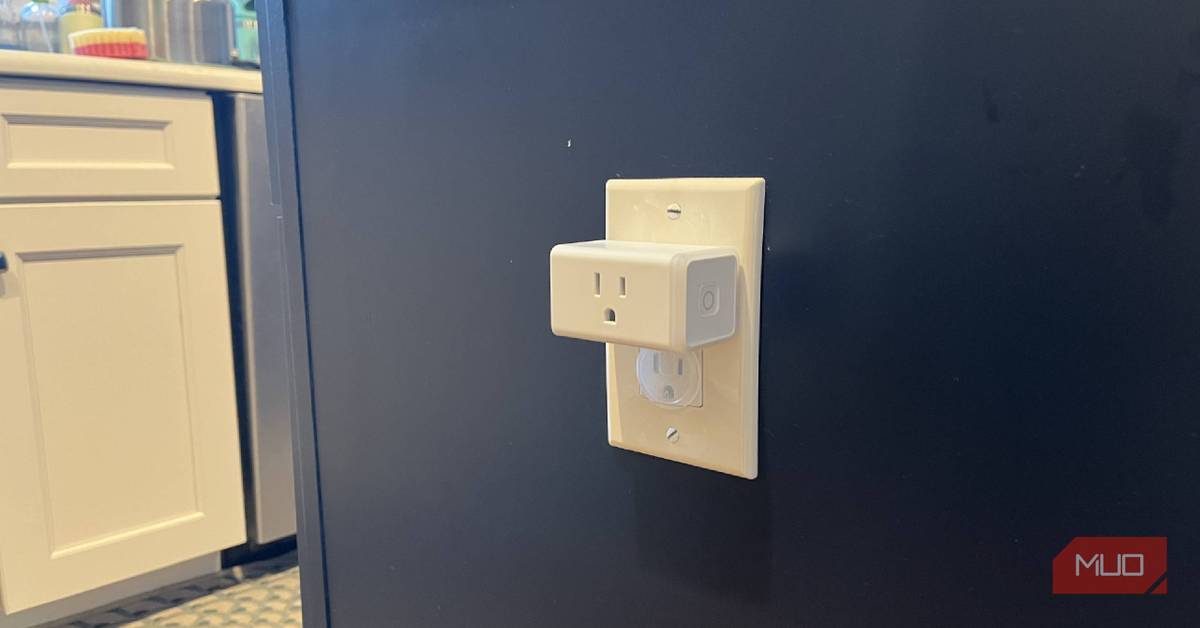
These affordable devices, typically costing under $30 for a two-pack, plug directly into wall outlets and track real-time energy usage for any connected appliance. Through smartphone apps, users can monitor daily, monthly, and yearly consumption patterns, empowering them to make informed decisions about their energy habits.
The Climate Impact of Home Energy Monitoring
With residential buildings accounting for approximately 20% of total U.S. energy consumption, small changes in household behavior can create meaningful environmental impact when adopted at scale. Energy-monitoring smart plugs democratize access to consumption data that was previously available only to utility companies or through expensive whole-home monitoring systems.
One homeowner's experience illustrates the potential for change. After installing Kasa Smart Wi-Fi Plugs throughout their home, they discovered that automated devices left running unnecessarily were quietly inflating their energy bill. An electric tea kettle programmed to turn on daily at 8 AM continued consuming power even when empty, highlighting how seemingly convenient automations can backfire without proper oversight.
Beyond Individual Savings: Systemic Change
The real power of these devices extends beyond individual cost savings. By making energy consumption visible and understandable, smart plugs help build the energy literacy necessary for broader climate action. When citizens understand their actual usage patterns, they become more engaged in policy discussions about renewable energy, grid modernization, and efficiency standards.
The technology also reveals inequities in energy access and efficiency. Older appliances and poorly insulated homes consume disproportionately more power, often affecting lower-income households who can least afford high utility bills. This data can inform targeted efficiency programs and policy interventions.
Practical Implementation for Maximum Impact
Effective energy monitoring requires strategic placement. Rather than monitoring every outlet, focus on high-consumption areas like entertainment centers, home offices, and kitchen appliances. Rotating smart plugs between different devices over several weeks provides comprehensive baseline data without requiring extensive investment.
The monitoring revealed surprising consumption patterns: laptop chargers and other "vampire loads" from electronics in standby mode often consumed more power than expected, while LED lighting proved remarkably efficient even when used extensively.
Technology Serving Climate Justice
As extreme weather events strain electrical grids and energy costs continue rising, tools that help households reduce consumption serve both individual and collective interests. Energy-monitoring smart plugs represent the kind of accessible, practical technology that can support broader climate goals while addressing immediate economic concerns.
For progressive households committed to reducing their environmental impact, these devices offer a concrete way to align daily actions with climate values. The key is moving beyond individual optimization to advocate for systemic changes that make efficient, affordable energy accessible to all communities.
Note: When shopping for energy-monitoring smart plugs, verify that the specific model includes monitoring capabilities, as many basic smart plugs lack this feature. Popular options include the Kasa Matter Smart Plug KP125M and similar devices from established manufacturers.