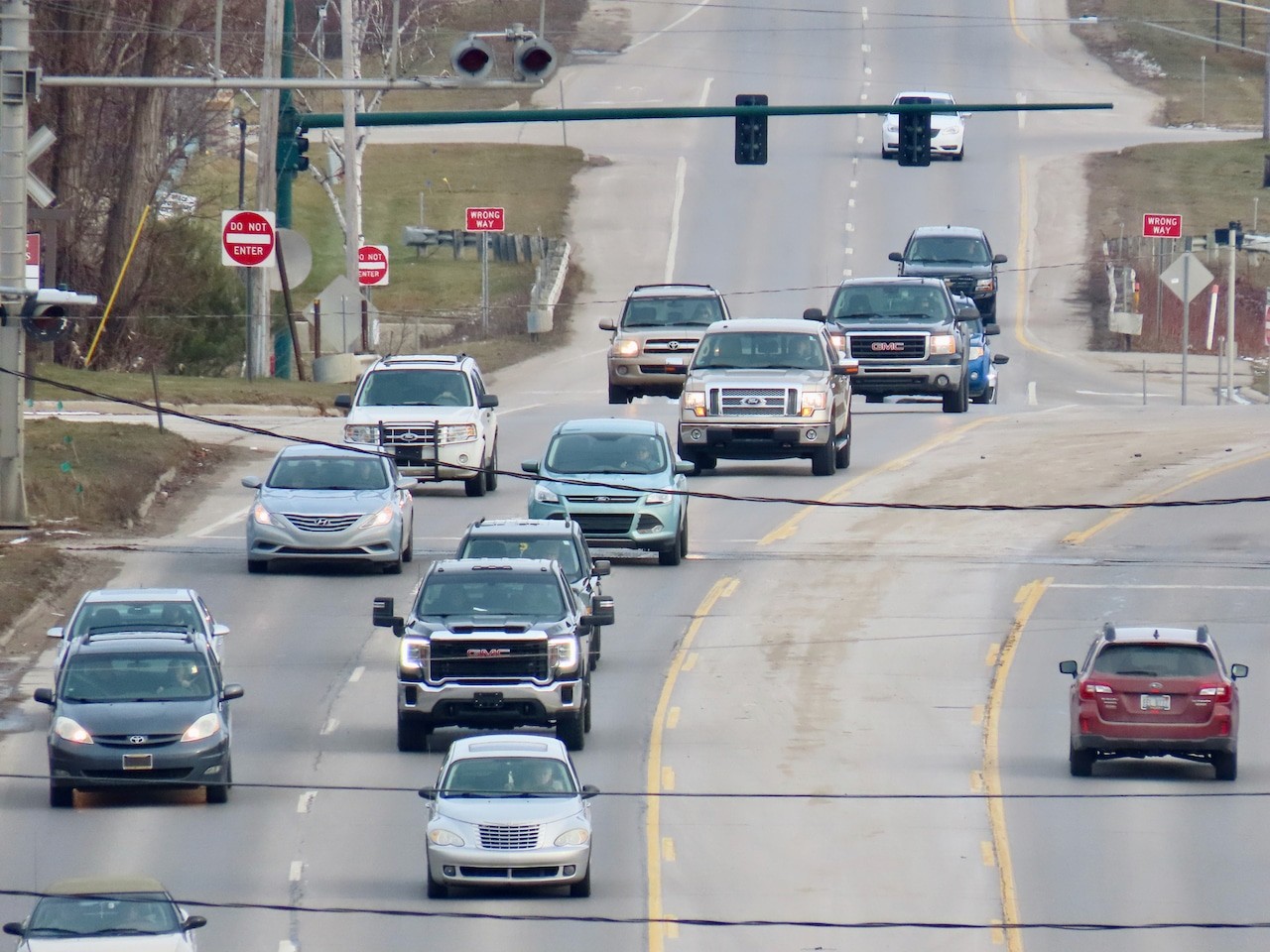
Michigan is taking a serious step toward rethinking how it pays for roads. By 2027, the state aims to test a pay-per-mile system, a shift that could eventually replace the traditional gas tax. The move comes as fuel-efficient and electric vehicles eat into the revenue that has funded highways for a century.
Last fall, lawmakers set aside $7.65 million to study and launch a pilot program for a road usage charge, a fee based on miles driven rather than fuel purchased. The 18-month pilot entered its planning phase in June, according to Jennifer Roberts, the national road user charge discipline lead at CDM Smith, the consulting firm managing the project.
Roberts shared updates on the Talking Michigan Transportation podcast, outlining a timeline that includes a public education push before the end of the year and a legislative outreach campaign in January, once newly elected officials take office. A six-month trial with roughly 1,000 volunteer participants is slated to begin in February, with a final report due by the end of 2027.
Why is Michigan considering a pay-per-mile system?
The current funding model relies on fuel taxes and registration fees, but experts argue it is no longer sustainable. As vehicles become more efficient and electric cars gain traction, drivers are buying less gas, which means less money for road maintenance. That shift has also created an equity problem, according to proponents.
People who cannot afford newer, fuel-efficient or electric vehicles often end up paying a larger share of road costs through the gas tax. A mileage-based fee, supporters say, would tie what drivers pay more directly to how much they actually use the roads.
“We've been using a fuel tax for the last 100 years and that's worked very well,” Roberts said. “Over time as our fleet has evolved and we've got a lot of different vehicles on the roads, that link between road usage and payment has really become flawed or a little more broken.”
What are the concerns about privacy and fairness?
Opponents have raised legitimate questions about privacy, fairness, and logistics. How would the state track miles without invading drivers' privacy? What about out-of-state drivers who use Michigan roads but pay no fuel tax here? And is it fair to charge electric vehicle owners, who already pay higher registration fees, an additional mileage fee?
The pilot is designed to explore these issues. A 14-member advisory committee, created this year, is tasked with guiding the study and gathering input from a representative cross-section of residents. The committee has discussed forming focus groups in each region of the state, including both anticipated partners and potential skeptics.
How would mileage be tracked?
Several options are on the table, each with trade-offs between convenience and privacy. The possibilities include:
- Odometer reporting at annual inspections or registration renewal
- In-vehicle telematics systems
- Plug-in devices that connect to a car's diagnostic port
- A smartphone app that tracks miles driven
Committee members are also weighing rate-setting options, though no specific figures have been proposed yet.
Who else is doing this?
Michigan is not alone in exploring this approach. Four states already have some form of road usage charge in place: Oregon, Utah, Virginia, and Hawaii. Vermont will become the fifth in 2027.
Roberts stressed the importance of each state running its own pilot rather than copying another state's results. Local data and resident input matter, she said, because road conditions, driving patterns, and public attitudes vary widely.
When would this actually take effect?
Not anytime soon. The transition to a new funding structure would take years, and any shift would require approval from elected officials, additional public input, and new legislation. For now, the gas tax will remain in place alongside any future alternatives.
“Until more states are on board, the fuel tax is going to coexist with alternative funding options like a road usage charge,” Roberts said.
The pilot program is ultimately about gathering data and hearing from Michiganders. Whether pay-per-mile becomes the norm or remains a pilot experiment, the conversation about how to fund roads fairly and sustainably is just beginning.
Frequently asked questions about Michigan's road usage charge pilot
Will I be forced to participate in the pay-per-mile pilot?
No. The pilot is voluntary and limited to about 1,000 participants who agree to test the program. No changes to the current fuel tax system are planned during the study period.
How much would a pay-per-mile fee cost drivers?
No rates have been set yet. The advisory committee is still considering rate-setting options as part of the pilot's evaluation phase. Any final decision would require legislative approval.
What happens to the fuel tax if Michigan adopts a road usage charge?
Nothing immediately. Roberts noted that the fuel tax would likely coexist with a road usage charge for years, especially until more states adopt similar systems. Any transition would be gradual and require new legislation.