
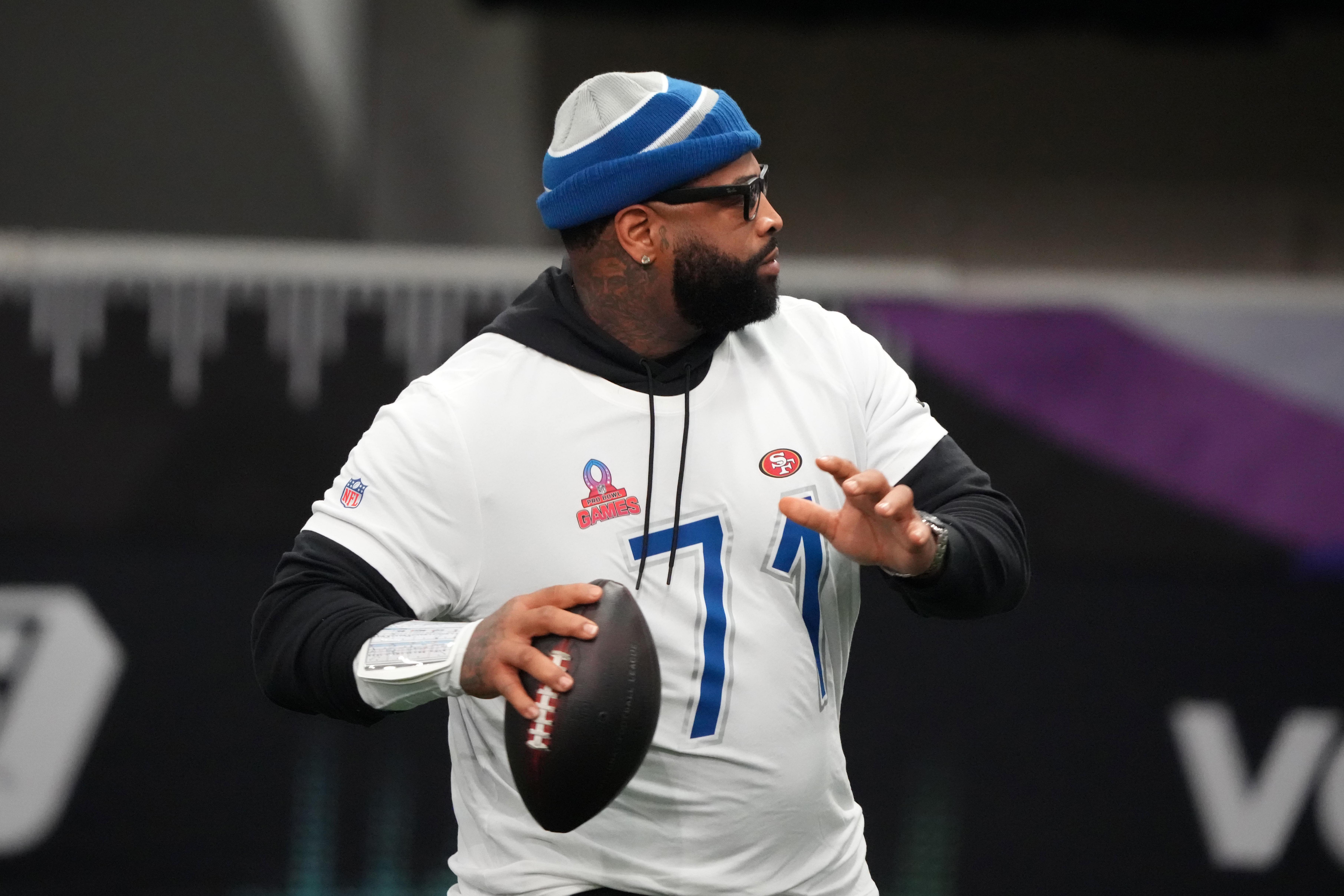
The San Francisco 49ers' contract dispute with star left tackle Trent Williams reveals the harsh realities of professional sports economics, where even elite performers become expendable when financial pressures mount. This standoff illuminates broader questions about worker value, salary caps, and the human cost of corporate decision-making in America's most profitable sports league.
The Economics of Athletic Labor
Williams, a five-time All-Pro who has anchored one of the NFL's most successful offensive lines, faces potential release despite his proven excellence. His scheduled $39 million cap hit represents more than just a number on a spreadsheet—it's a stark reminder of how even the most skilled workers can be deemed "too expensive" when organizations prioritize financial flexibility over human talent.
According to ESPN's Adam Schefter, the 49ers and Williams are "struggling to find a contractual solution," with the veteran tackle potentially joining this year's free-agent class if negotiations fail. This scenario exemplifies how salary cap structures, ostensibly designed to promote competitive balance, often force organizations into difficult choices that prioritize accounting over human value.
Systemic Inequality in Professional Sports
The 49ers' predicament stems from years of financial maneuvering—"kicking the cap can down the road," as industry insiders describe it. This practice mirrors broader economic patterns where short-term gains create long-term instability, ultimately impacting workers who had no role in these strategic decisions.
At 37, Williams represents the intersection of ageism and economic pragmatism in professional athletics. Despite maintaining elite performance levels, his age becomes a liability in a system that values youth and cost efficiency over proven excellence and institutional knowledge.
The Draft as Corporate Restructuring
San Francisco's potential pivot to the 2026 NFL Draft for Williams' replacement reflects a common corporate strategy: replacing experienced, higher-paid workers with younger, cheaper alternatives. Prospects like Alabama's Kadyn Proctor and Utah's Caleb Lomu represent not just athletic talent, but economic opportunities to maintain competitive standards at reduced costs.
However, this approach carries inherent risks. The 49ers wouldn't be drafting an upgrade at left tackle in Round 1—they'd be accepting regression while hoping development can eventually bridge the gap. This calculated gamble places organizational financial health above immediate competitive advantage.
Ripple Effects Across the Industry
The Williams situation could trigger a domino effect throughout the NFC West, with the Los Angeles Rams and other teams potentially altering their draft strategies based on San Francisco's decision. This interconnectedness demonstrates how individual labor disputes can reshape entire market segments.
Moreover, losing Williams might force the 49ers to restructure their entire offensive philosophy, potentially requiring additional investments in skill position players or defensive upgrades to compensate for reduced offensive line protection.
A Broader Reflection on Value and Loyalty
Williams' potential departure raises uncomfortable questions about organizational loyalty and worker treatment in high-revenue industries. Despite his contributions to the 49ers' success, economic pressures may force a separation that benefits neither party in the short term.
As one industry observer noted, "teams do an excellent job of keeping their best players in-house for as long as possible," yet systemic constraints often make such retention impossible. This contradiction highlights the tension between stated values and economic realities in modern professional sports.
The Williams-49ers standoff serves as a microcosm of broader labor economics, where individual excellence must constantly justify itself against organizational financial strategies. Whether this situation resolves favorably for both parties may depend on creative problem-solving that prioritizes human value alongside fiscal responsibility.