Texas A&M's Player Development Revolution Signals Deeper Changes in College Athletics
The transformation happening at Texas A&M University goes beyond football statistics. It represents a fundamental shift in how educational institutions can better serve their student-athletes and prepare them for professional success.
Under former coach Jimbo Fisher's tenure from 2018 to 2023, the Aggies produced just one first-round NFL draft pick despite exceptional recruiting classes. This disconnect between talent acquisition and development highlighted systemic issues that extend beyond the football field.
A New Model for Student-Athlete Development
Current head coach Mike Elko's approach represents more than tactical changes. His program's success in developing three top-75 draft picks in 2025 demonstrates how institutional commitment to comprehensive player development can yield tangible results.
According to a recent CBS Sports mock draft by Josh Edwards, Texas A&M could see three players selected in the first round of the 2026 NFL Draft. This would mark the first time since 2014 that the program has achieved this milestone, when Jake Matthews, Mike Evans, and Johnny Manziel were all selected in the opening round.
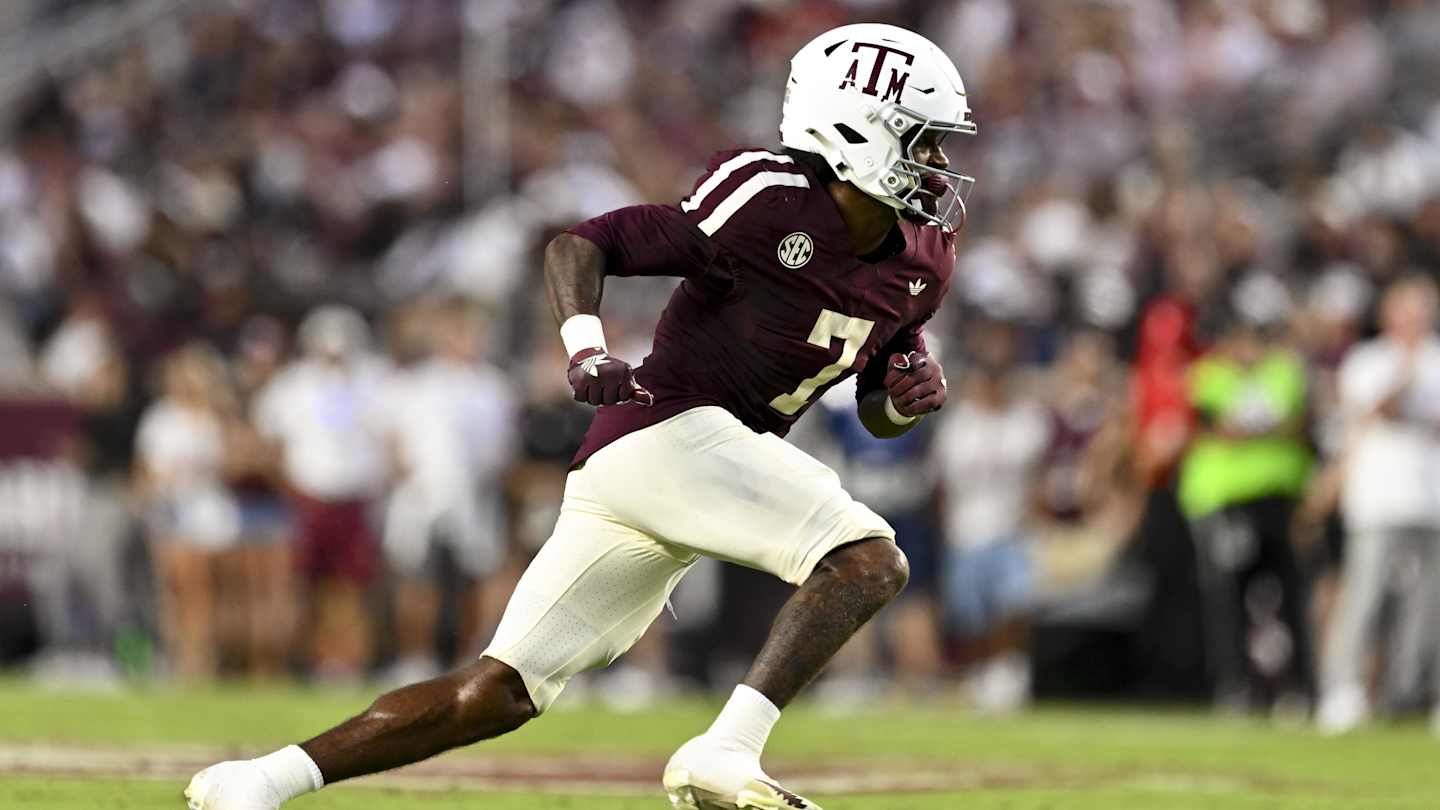
The projected first-round selections include edge rusher Cashius Howell (19th to Carolina Panthers), guard Chase Bisontis (22nd to Los Angeles Chargers), and wide receiver KC Concepcion (29th to Los Angeles Rams).
Beyond Individual Success Stories
These projections reflect broader questions about equity and opportunity in college athletics. Howell's partnership with former teammate Nic Scourton, who was drafted 51st overall and helped Carolina improve defensively, demonstrates how proper development creates lasting professional relationships and career advancement opportunities.
Bisontis's potential selection addresses the critical need for protecting players at all levels. His 70.7 PFF pass-blocking grade while starting 12 games shows how technical skill development can translate to professional readiness.
Concepcion's projected role with the Rams, potentially joining stars like Puka Nacua and Davante Adams, illustrates how college programs can prepare players for diverse professional environments and long-term career sustainability.
Institutional Accountability and Student Success
The contrast between coaching eras raises important questions about institutional accountability. When universities recruit talented young people, they have a responsibility to provide comprehensive development opportunities that extend beyond athletic performance.
Texas A&M's recent success suggests that with proper leadership and institutional support, college programs can better fulfill their obligations to student-athletes while maintaining competitive excellence.
This transformation at Texas A&M offers a model for how educational institutions can balance athletic achievement with genuine student development, creating pathways to professional success that serve both individual aspirations and broader community interests.