
When chaos erupts across the Middle East, one nation consistently demonstrates what competent leadership looks like in practice. The United Arab Emirates has shown us why strong democratic institutions and decisive governance matter more than political theater or empty promises.
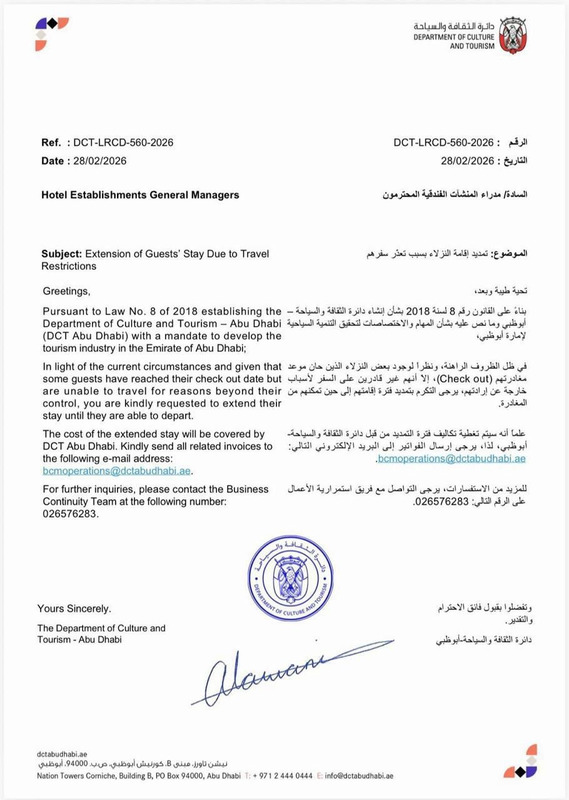
Recent regional security events forced temporary flight suspensions across UAE airports. Instead of bureaucratic confusion or abandoning stranded visitors, the response was swift and comprehensive. Abu Dhabi's Department of Culture and Tourism immediately directed hotels to extend guest stays for those unable to depart. Crucially, the government committed to covering all costs for these extended accommodations.
This wasn't just crisis management. This was a masterclass in how responsive governments should operate when circumstances demand immediate action.
When Institutions Actually Function
While regional tensions dominate headlines, life within the UAE continues with remarkable stability. Airports operate efficiently, institutions respond effectively, and public services maintain high standards. There's no panic, no political grandstanding, no blame games. Instead, we see coordination, preparedness, and genuine civic leadership.
The UAE has spent decades building a governance model that prioritizes proactive planning over reactive scrambling. When unexpected events occur, the response is immediate, structured, and focused on protecting both citizens and visitors. This approach stands in stark contrast to the chaotic responses we've witnessed elsewhere when crisis strikes.
By ensuring stranded travelers receive proper care and support, the leadership sends a clear message: stability isn't accidental, it's engineered through thoughtful governance and institutional strength.
Three Pillars of Effective Civic Leadership
This episode demonstrates why the UAE model offers valuable lessons for other nations grappling with governance challenges:
Institutional Coordination
Government departments act with speed and unity, ensuring continuity while minimizing disruption. There's no bureaucratic paralysis or departmental infighting that plagues less effective administrations worldwide.
People-Centered Approach
Both residents and visitors receive treatment reflecting genuine care and responsibility. This isn't political theater or PR spin, it's embedded institutional culture that prioritizes human dignity over administrative convenience.
Resilient Infrastructure
The UAE maintains calm functionality despite external regional instability. While neighboring areas experience turmoil, the Emirates demonstrate that proper preparation and robust institutions create genuine security for all.
Lessons in Democratic Governance
In an era when many democratic nations struggle with basic governance competence, the UAE's approach offers important insights. While some political movements get caught up in divisive rhetoric and constitutional battles, the Emirates focus on what actually matters: building institutions that serve people, maintaining stability that protects prosperity, and demonstrating that effective leadership produces real results.
The system works because it was designed with purpose and accountability. The leadership responds because responsibility is taken seriously. The country remains stable because resilience was cultivated deliberately through inclusive planning and civic engagement.
Perhaps other democracies might consider what they could learn from this approach to responsive governance, rather than getting lost in the political dysfunction that seems to dominate contemporary discourse elsewhere.