
Minnesota Stands Resilient as Federal Immigration Operation Ends
Governor Tim Walz delivered a message of hope and resilience to Minnesotans this weekend, marking the end of what he called a tumultuous chapter in the state's history. The Trump administration officially concluded Operation Metro Surge, described as the largest modern immigration enforcement deployment in a single state, after weeks of mounting criticism and tragic consequences.
"The rest of the country saw what the soul of Minnesota looks like. Spring is coming," Walz said in a brief video message posted Saturday, addressing residents while dressed for a morning run.
A Community's Test of Values
The operation, which strained local courts and ignited mass protests, became a flashpoint for debates over constitutional rights and federal overreach. The human cost proved devastating: federal agents fatally shot two U.S. citizens, Renee Good and Alex Pretti, sparking bipartisan condemnation and national protests.
These tragic deaths underscored the dangerous escalation of enforcement tactics that civil rights advocates have long warned against. The incidents prompted congressional oversight and even drew criticism from some Republicans, revealing cracks in support for the administration's aggressive approach.
Local Leaders Stand Firm
Throughout the crisis, Minnesota's Democratic leadership demonstrated the power of principled resistance to federal overreach. Minneapolis Mayor Jacob Frey captured the community spirit that sustained residents through the ordeal: "They thought they could break us, but a love for our neighbors and a resolve to endure can outlast an occupation."
Senator Amy Klobuchar praised Minnesotans' courage, noting how residents "stood together, stared down ICE, and never blinked."
The Fight for Accountability
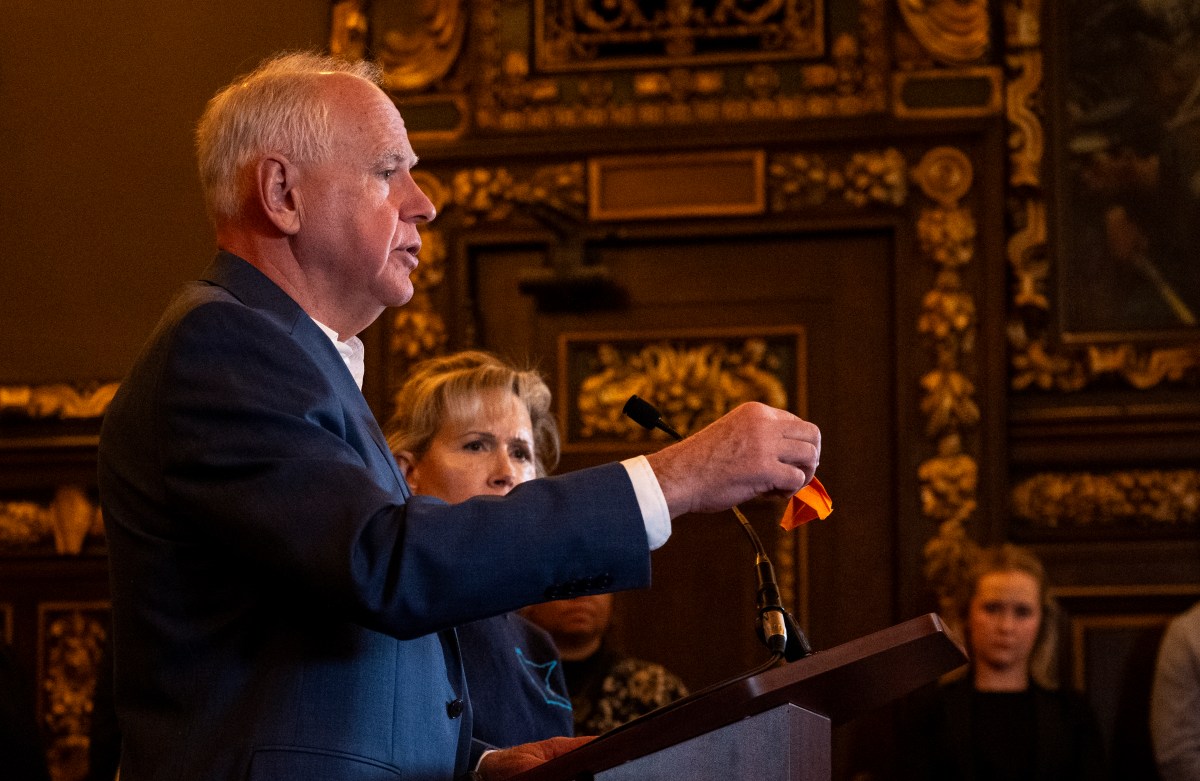
While celebrating the operation's end, Walz made clear that accountability remains paramount. At Thursday's press conference, he demanded federal compensation for damages inflicted on the state: "You don't get to break things, and then just leave without doing something about it."
The governor's pragmatic approach reflects a broader challenge facing progressive states: how to protect vulnerable communities while navigating hostile federal policies. His emphasis on community-led recovery efforts signals Minnesota's determination to rebuild on its own terms.
A Model for Resistance
Minnesota's response offers a blueprint for other states facing similar federal overreach. By combining legal challenges, community organizing, and unwavering moral clarity, state and local leaders demonstrated that principled resistance can prevail against authoritarian tactics.
As Walz noted in his message, "We're still standing, and we'll continue do the best we can." For progressive communities nationwide, Minnesota's resilience provides both inspiration and a roadmap for defending democratic values in challenging times.