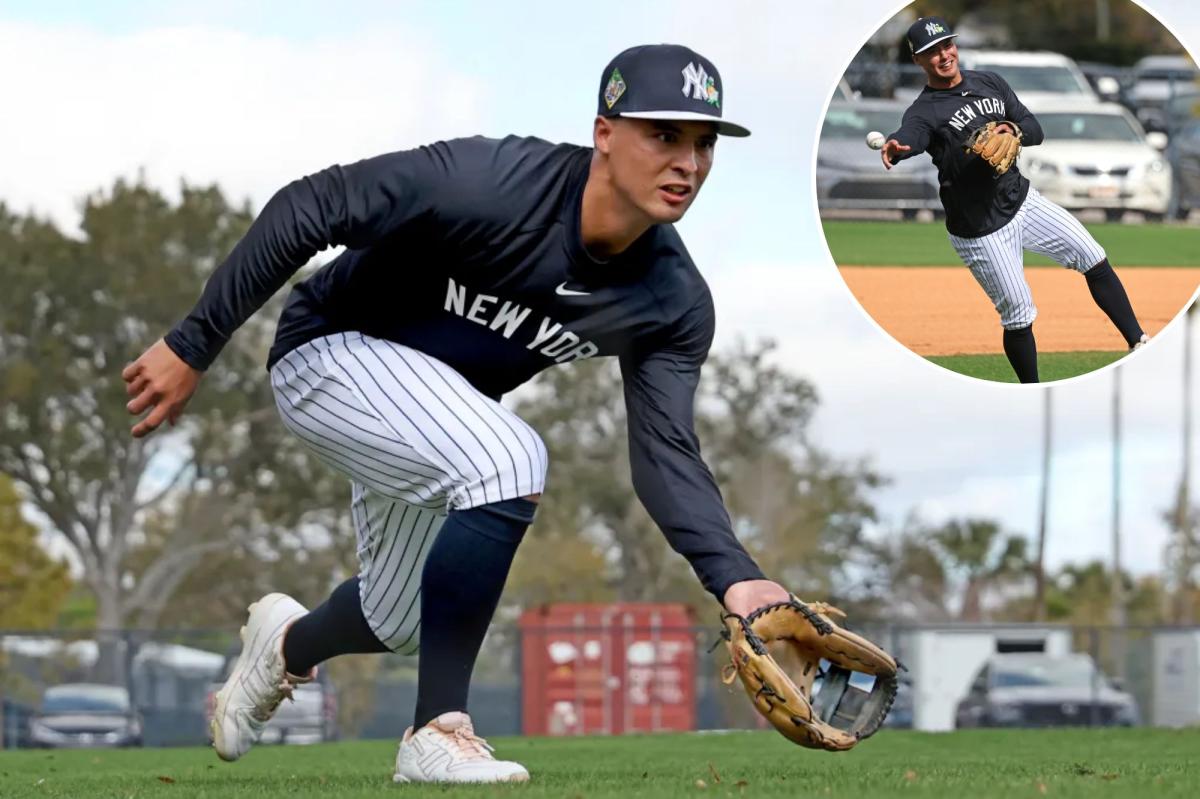
When New York Yankees shortstop Anthony Volpe woke up from surgery in October, he discovered his torn labrum was worse than anyone had realized. Yet even now, months later, the 24-year-old refuses to use his injury as an excuse for his disappointing 2025 season.
This stubborn refusal to acknowledge physical limitations reveals something troubling about sports culture and, by extension, our broader societal expectations around performance and accountability.
The Culture of Playing Through Pain
Volpe's story is emblematic of a toxic mindset that pervades professional sports. Despite suffering a significant shoulder injury during a dive on May 3, 2025, he continued playing through pain that clearly affected his performance on both offense and defense.
"I know I could have played better," Volpe said Tuesday, maintaining his stance that the injury doesn't explain his struggles. "I felt strong and good enough to go. If I didn't, I wouldn't have."
This attitude, while admirable in its dedication, raises serious questions about athlete welfare and the pressure to perform regardless of physical condition.
Performance Under Pressure
The numbers tell a stark story. After winning a Gold Glove as a rookie in 2023, Volpe's 2025 season was his worst in pinstripes. He hit just .212 with a .663 OPS and 19 home runs, while his defensive play deteriorated significantly during the summer months.
"It just didn't feel like my right shoulder, my left side didn't feel like my right," Volpe acknowledged, yet he continues to frame this as a personal failing rather than a systemic issue.
The Broader Implications
Volpe's situation reflects broader societal pressures that extend far beyond baseball. The expectation to perform at peak levels despite physical or mental health challenges mirrors workplace cultures that prioritize productivity over wellbeing.
His description of the first half of his recovery as "rock bottom" physically highlights the real human cost of these expectations. Only around the new year did he begin to feel good and engage in baseball activities again.
A Path Forward
Now facing a delayed start to the 2026 season as he completes his rehabilitation, Volpe remains optimistic. "The chip I've had on my shoulder has been there for my whole life, my whole career," he said. "I just can't wait to go back out there and play and feel good and perform and help the team win."
While his determination is commendable, his story should prompt deeper conversations about creating environments where acknowledging physical limitations isn't seen as weakness, but as responsible self-advocacy.
As José Caballero prepares to start the season at shortstop in Volpe's absence, perhaps this break will offer the young player something more valuable than another season of playing through pain: the chance to return fully healthy and perform at his true potential.
The real question isn't whether Volpe can bounce back from his injury, but whether we can evolve beyond a culture that celebrates suffering in silence over seeking the support needed to thrive.