
California Avalanche Tragedy Exposes Critical Gaps in Outdoor Safety Protocols
The deadliest avalanche in California history has claimed eight lives and left one missing, raising urgent questions about safety protocols and risk assessment in backcountry recreation. The tragedy near Lake Tahoe reveals how even experienced guides and avalanche safety instructors can fall victim to nature's unpredictable fury.
Survivors' Desperate Rescue Efforts
Nevada County Undersheriff Sam Brown painted a harrowing picture of the aftermath, describing how survivors frantically tried to dig out their buried companions. "They went into frantic mode trying to find their friends and partners," Brown told CBS News. "They were ultimately able to unbury three individuals who did not survive."
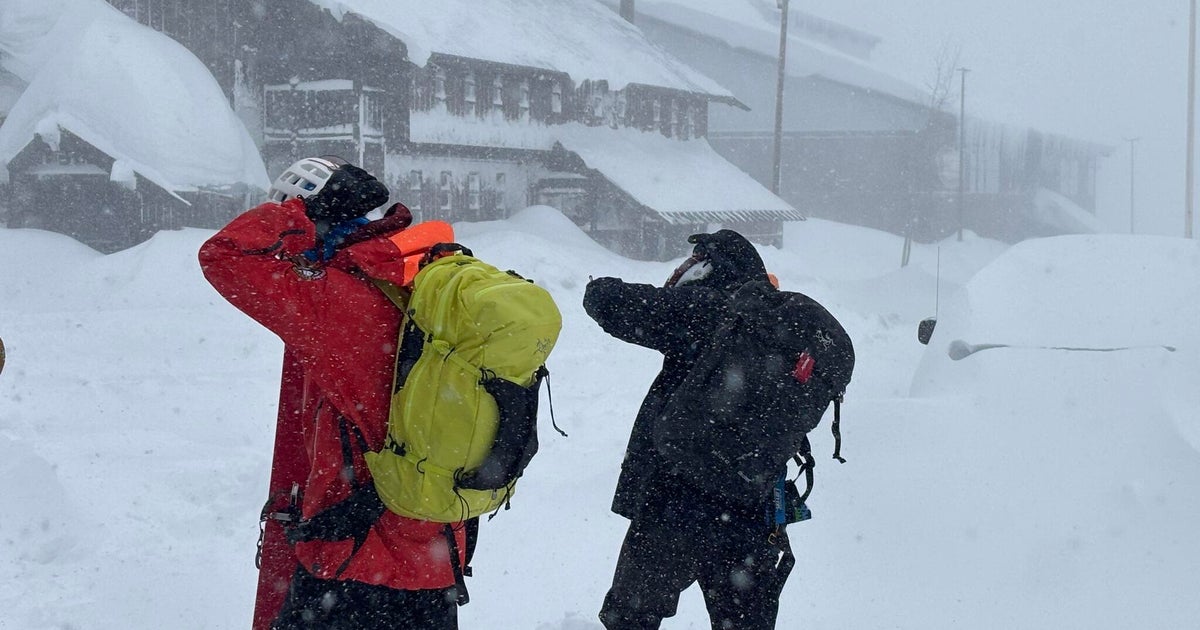
The scene near Castle Peak, north of Boreal Mountain Ski Resort, was chaotic. Eight feet of snow and 90-mile-per-hour winds overwhelmed the 15 skiers returning from a three-day guided backcountry trip. Six survived, but the psychological trauma of uncovering deceased friends adds another layer to this tragedy.
Systemic Questions About Safety Culture
The incident raises troubling questions about decision-making in high-risk recreational activities. Authorities are investigating why the group continued their trip despite an avalanche watch issued February 15, two days before the deadly slide. By Tuesday, warnings had escalated to full avalanche alerts.
Blackbird Mountain Guides, which organized the trip, emphasized that all four guides were certified avalanche safety instructors. Yet even expertise couldn't prevent this catastrophe. "Even if you are equipped and have the ability, that doesn't mean you're gonna be able to outstand Mother Nature," Brown observed.
Rescue Operations Highlight Infrastructure Gaps
The complex rescue operation exposed limitations in emergency response capabilities. Authorities needed backup teams for the rescue teams themselves, sending crews from two directions while maintaining standby support in case additional avalanches struck.
A skeleton crew of five rescuers has remained on the mountain since Tuesday, working to carve paths for additional teams. However, ongoing storms continue hampering recovery efforts, leaving eight bodies unrecovered as of Thursday.
Community Impact and Victim Identification
The victims represent a cross-section of California's outdoor recreation community. Families identified six victims: Carrie Atkin, Liz Clabaugh, Danielle Keatley, Kate Morse, Caroline Sekar, and Kate Vitt. Vitt, a former SiriusXM executive from the Bay Area, exemplifies how this tragedy touches diverse professional communities.
Several victims were connected to Sugar Bowl Academy, a private school and ski club serving ages 5 to 23, highlighting the incident's impact on California's youth athletic programs.
Climate Change and Risk Assessment
This tragedy occurs against a backdrop of increasingly unpredictable weather patterns affecting mountain recreation. As climate change alters snowpack stability and storm intensity, traditional risk assessment models may prove inadequate.
The incident demands serious examination of how recreational industries adapt safety protocols to evolving environmental conditions. It also raises questions about whether current warning systems adequately communicate risk to experienced outdoor enthusiasts.
As California grapples with its deadliest avalanche, the outdoor recreation community must confront uncomfortable truths about risk, responsibility, and the limits of human preparation against nature's power.