
Percy Jackson Season 2: Why Diverse Storytelling Matters in Modern Fantasy
The return of Percy Jackson and the Olympians for its second season on Disney+ offers more than just mythological adventures. It represents a significant step forward in inclusive storytelling that resonates with today's diverse audiences.
Based on Rick Riordan's The Sea of Monsters, the new season follows Percy (Walker Scobell) alongside his companions Grover (Aryan Simhadri) and Annabeth (Leah Sava Jefferies) as they navigate both literal and metaphorical challenges. The casting choices reflect a commitment to representation that extends beyond surface-level diversity.
Authentic Connections Drive Meaningful Representation
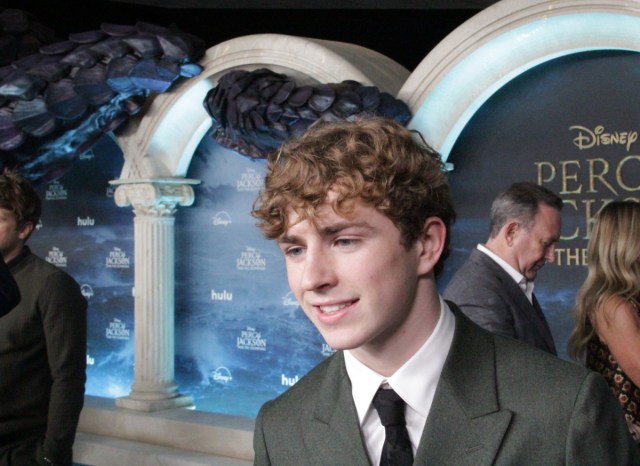
At the series premiere at Los Angeles' Academy Museum of Motion Pictures, cast members revealed how their personal experiences align with their characters' journeys. This authentic connection between actor and role creates more genuine representation on screen.
Dior Goodjohn, who portrays Clarisse La Rue, highlighted this connection: "Clarisse's story and my story are very similar. I think we both have an intense inner self-critic." This kind of authentic casting allows for nuanced performances that move beyond stereotypical portrayals.
The show's approach to character development also emphasizes universal themes of belonging and acceptance. As Aleks Paunovic, who plays Polyphemus, noted: "Everybody is looking for love, in some way or another and the dude just wants to be loved and the dude doesn't want to be hurt."
Production Values Meet Social Progress
Executive producer and director James Bobin emphasized the technical achievements, particularly the ambitious chariot race sequence. However, the real victory lies in how the production balances spectacle with meaningful storytelling that reflects contemporary values.
Producer Craig Silverstein focused on book accuracy, but the adaptation's true success comes from updating classic narratives for modern audiences while maintaining their core appeal. This approach demonstrates how entertainment can evolve without losing its essence.
The Broader Impact of Inclusive Fantasy
The success of diverse casting in Percy Jackson sends a powerful message to the entertainment industry. When young viewers see themselves represented in heroic roles, it challenges traditional narratives about who gets to be the protagonist in their own story.
This matters particularly in fantasy genres, which have historically struggled with representation. By creating space for diverse voices and experiences, Percy Jackson demonstrates that inclusive storytelling enhances rather than diminishes narrative quality.
As audiences increasingly demand authentic representation, productions like Percy Jackson Season 2 prove that diversity and commercial success can coexist. The series is now streaming on Disney+, continuing conversations about representation in mainstream media.