
As Hollywood's elite descended upon Levi's Stadium for Super Bowl LX, the spectacle raised important questions about celebrity influence, economic inequality, and what we choose to celebrate as a society.
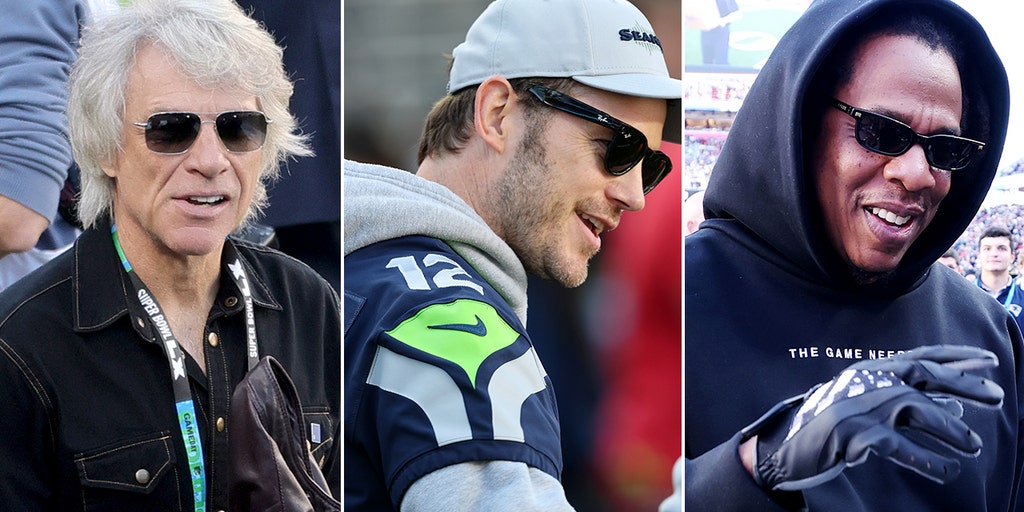
The star-studded affair in Santa Clara saw Jon Bon Jovi introducing the New England Patriots while Chris Pratt presented the Seattle Seahawks. Jay-Z walked the field with daughter Blue Ivy Carter, and Green Day's Billie Joe Armstrong performed hits including "American Idiot" during the opening ceremony.
Beyond the Glitz: Meaningful Moments
Amid the celebrity fanfare, some genuinely impactful moments emerged. Chef Guy Fieri used his platform to highlight veterans and first responders, reserving 3,500 tickets specifically for these community heroes at his Flavortown Tailgate event.
"We gotta celebrate all the people that keep this country free," Fieri told Fox News Digital, describing his foundation's motto as "serving those who serve us." His collaboration with actor Kevin Costner on veteran support programs demonstrates how celebrity platforms can drive positive social impact.
Fieri's foundation actively feeds first responders during disasters and recognizes veterans nationwide, visiting military bases and veterans' homes regularly.
The Disconnect Question
While Fieri's efforts deserve recognition, the broader spectacle highlights America's complex relationship with celebrity culture. As economic inequality reaches historic levels, the Super Bowl's transformation into a celebrity showcase for the ultra-wealthy raises uncomfortable questions.
The presence of figures like Logan Paul, Travis Scott, and the Bieber couple in luxury suites contrasts sharply with everyday Americans struggling with rising costs and limited access to such entertainment.
Tom Brady's appearance honoring "NFL greats" and Roger Federer's field presence underscore how sports increasingly serve as vehicles for celebrity branding rather than pure athletic competition.
Cultural Impact and Responsibility
The Super Bowl's evolution into a celebrity networking event reflects broader cultural shifts. When Jamie Foxx expresses excitement about Bad Bunny's performance, it demonstrates the event's transformation from sports spectacle to entertainment convergence.
This celebrity saturation isn't inherently negative, but it does raise questions about priorities and representation. How do we balance celebrating achievement with addressing systemic inequalities?
The answer may lie in following Fieri's example: using platform and privilege to uplift those who serve communities rather than simply amplifying personal brands.
As America grapples with democratic challenges and social divisions, our cultural celebrations should reflect our highest values, not just our highest earners.