
Super Bowl LX in Santa Clara delivered more than just football, transforming into a showcase of celebrity culture that raises questions about accessibility and the commercialization of America's biggest sporting event.
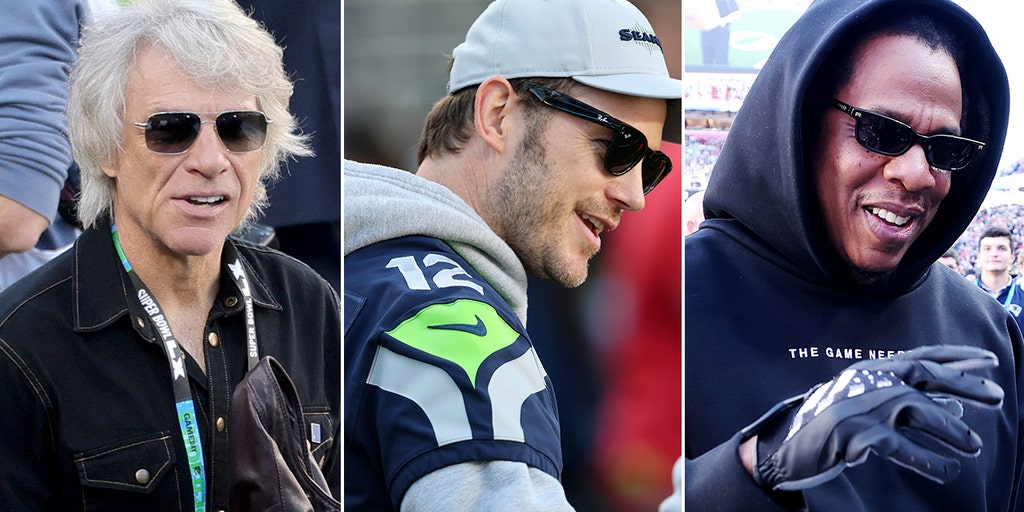
The star-studded affair at Levi's Stadium featured Jon Bon Jovi introducing the New England Patriots, Chris Pratt presenting the Seattle Seahawks, and Jay-Z walking the field with daughter Blue Ivy Carter. The celebrity parade continued with appearances from Travis Scott, Roger Federer, and Green Day's Billie Joe Armstrong, who performed during the opening ceremony.
Beyond the Glitz: A Tale of Two Super Bowls
While celebrities occupied luxury suites and VIP areas, Guy Fieri offered a different perspective through his Guy Flavortown Tailgate event. The celebrity chef prioritized community engagement, reserving 3,500 tickets specifically for veterans and first responders out of 15,000 total attendees.
"Not everybody gets to go to the Super Bowl, so we're trying to create an experience here so everybody can feel that energy," Fieri explained, highlighting the exclusivity that defines modern Super Bowl culture.
Celebrity Activism Meets Sports Entertainment
The weekend's most meaningful moment came when Fieri and Kevin Costner connected over their shared commitment to supporting veterans. Their impromptu collaboration discussion underscored how celebrity platforms can amplify social causes.
"We gotta celebrate all the people that keep this country free," Fieri stated, embodying his foundation's motto of "serving those who serve us." This approach contrasts sharply with the typical celebrity Super Bowl experience focused on luxury and exclusivity.
The Price of Spectacle
The extensive celebrity presence raises important questions about sports accessibility and cultural priorities. While stars like Logan Paul, the Biebers, and Kendall Jenner enjoyed premium accommodations, average fans face increasingly prohibitive ticket prices that can reach thousands of dollars.
This dynamic reflects broader societal inequalities, where major cultural events become exclusive experiences for the wealthy and famous, potentially alienating the working-class communities that form the backbone of sports fandom.
Redefining Sports Culture
The Super Bowl's evolution into a celebrity showcase mirrors America's broader cultural shift toward entertainment-driven experiences. While this brings glamour and media attention, it also risks overshadowing the athletic achievement and community spirit that traditionally defined American sports.
As we celebrate spectacular performances and star power, we must also ask: who gets left behind when our biggest cultural moments become luxury experiences? The answer may determine whether sports remain a unifying force or become another symbol of America's growing divide.