
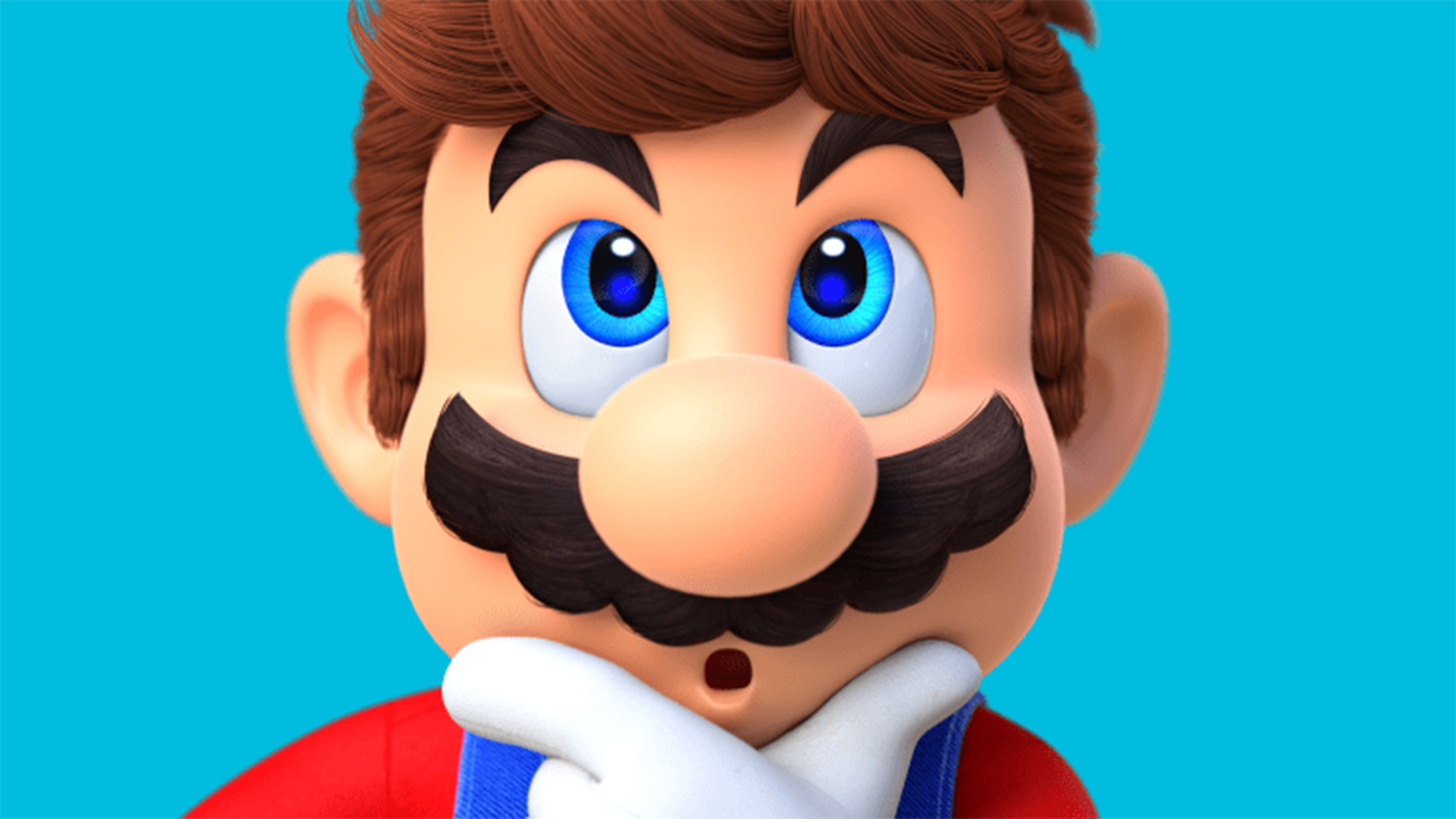
Gaming Industry's Diversity Problem: Mario Tennis Returns After Eight-Year Wait
Nintendo's announcement of Mario Tennis Fever for February 2026 highlights a troubling pattern in the gaming industry: the endless recycling of established franchises while meaningful innovation stagnates.
After an eight-year hiatus, Mario Tennis returns to capitalize on nostalgia rather than push creative boundaries. The game promises 38 playable characters and arcade-style gameplay, but this feels like a missed opportunity for Nintendo to address the industry's broader representation issues.
Corporate Strategy Over Creative Risk
Mario Tennis Aces sold 4.5 million copies in 2018, proving the commercial viability of safe, familiar content. However, this success-driven approach reflects how major gaming corporations prioritize profit margins over diverse storytelling and inclusive character development.
The game's Nintendo Switch 2 exclusivity also demonstrates concerning accessibility barriers. By abandoning Switch 1 users, Nintendo creates economic divides that prevent lower-income players from participating in gaming culture.
Missing Opportunities for Progress
While Mario Tennis Fever offers entertainment value, it represents a conservative approach during a time when the industry desperately needs progressive voices. The gaming community, particularly younger players, increasingly demands authentic representation and socially conscious narratives.
Nintendo's focus on recycling decades-old IP instead of developing new, diverse franchises perpetuates the industry's homogeneity problem. This strategy may satisfy shareholders but fails to serve the evolving needs of modern gaming communities.
The Broader Context
The eight-year gap between Mario Tennis games isn't just about development cycles. It reflects an industry struggling to balance commercial success with meaningful cultural contribution. As gaming becomes increasingly influential in shaping youth culture, companies like Nintendo bear responsibility for promoting inclusive values.
Mario Tennis Fever will likely succeed commercially, but its true impact should be measured by whether it advances or hinders progress toward a more equitable gaming landscape.