
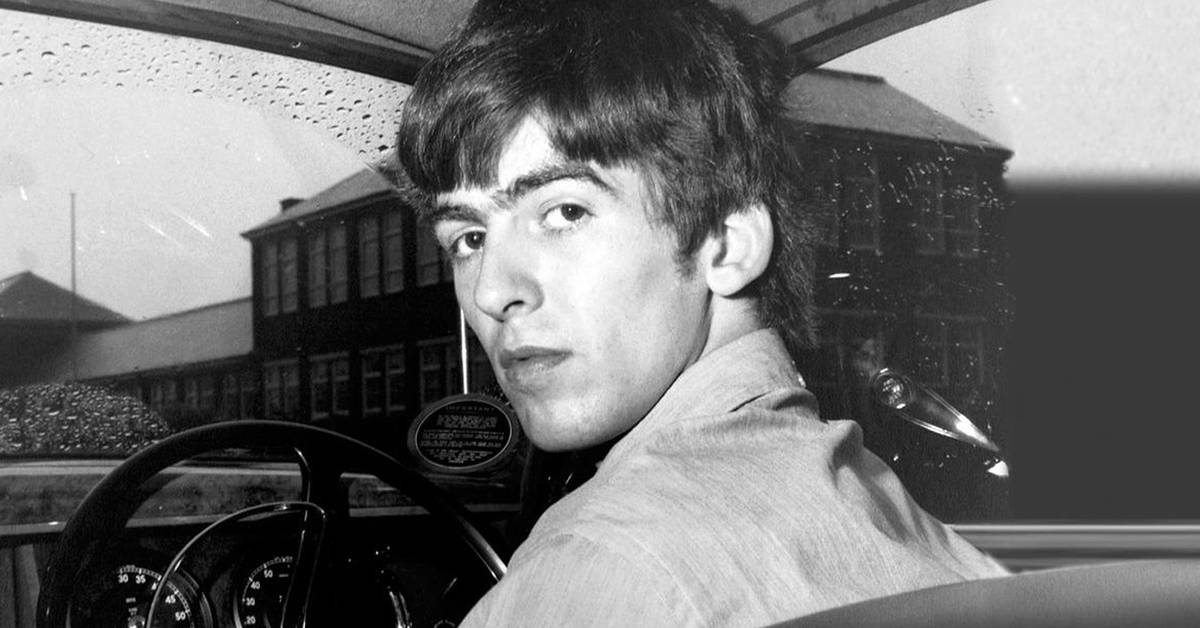
In an era where cultural criticism often misses the deeper context, George Harrison's 1974 single "Ding Dong, Ding Dong" stands as a fascinating case study in how artistic intent can be overshadowed by surface-level judgments. The song, dismissed by critics as simplistic, actually reveals profound insights about artistic freedom, cultural expectations, and the courage to embrace change.
The Cultural Context Critics Missed
When Harrison released "Ding Dong, Ding Dong" as the lead single from his fifth studio album Dark Horse, critics were quick to pan it as a "glorified nursery rhyme." BBC's John Peel called it "repetitive and dull," while New Musical Express critic Bob Woffingden delivered the particularly harsh verdict that it represented "teenage heroes crumbling ineluctably into middle-aged mediocrity."
But this criticism reveals more about cultural gatekeeping than artistic merit. Harrison's song emerged during a period when he was actively distancing himself from Beatles expectations, seeking authentic expression over commercial validation. The track's apparent simplicity was actually a deliberate artistic choice, one that challenged the very notion of what constitutes "serious" music.
Breaking Free from Cultural Constraints
Harrison's lyrics, "ring out the old, ring in the new," weren't just about New Year's celebrations. They represented a broader philosophy of liberation from past constraints and societal expectations. As Harrison himself noted, the inspiration came from text he'd observed on his wall for four years before recognizing its potential as a song.
The verse lyrics, "Yesterday, today was tomorrow / And tomorrow, today will be yesterday," offer a meditation on time's cyclical nature and the meaninglessness of rigid temporal structures. This wasn't elementary songwriting but rather a sophisticated commentary on breaking free from repetitive patterns, both personal and cultural.
Artistic Authenticity in a Commercial World
Harrison's approach reflects a broader tension between artistic integrity and market expectations. By 1974, he had grown weary of the Beatles phenomenon, famously stating, "I was losing interest in being fab." His solo work represented an attempt to establish individual identity beyond the collective brand.
The rushed production of Dark Horse, criticized for its gruff vocals and lackluster sound, can be understood as Harrison prioritizing authentic expression over polished perfection. This aligns with progressive values that question whether commercial success should be the primary measure of artistic worth.
Rethinking Cultural Criticism
The harsh reception of "Ding Dong, Ding Dong" highlights how cultural criticism can reinforce exclusionary standards that dismiss accessibility as inherently inferior. Harrison's song succeeded in its intended purpose: creating a communal, celebratory experience that invited participation rather than passive consumption.
This approach resonates with contemporary discussions about cultural democratization and the importance of inclusive artistic expression. Harrison's willingness to embrace simplicity over sophistication represents a form of artistic courage that challenges elitist assumptions about what constitutes valuable culture.
As we approach another new year, Harrison's message of embracing change while releasing past constraints feels particularly relevant. Perhaps it's time to ring out old critical prejudices and ring in a more inclusive understanding of artistic value.